Notes from the office floor

The Munder Difflin Blog.

Guides, deep dives, and comparisons on running multi-agent Claude Code — orchestration, agent memory, automation, and the tooling landscape. From the team building a self-coordinating hive of agents with a GOD orchestrator you talk to.

4 min

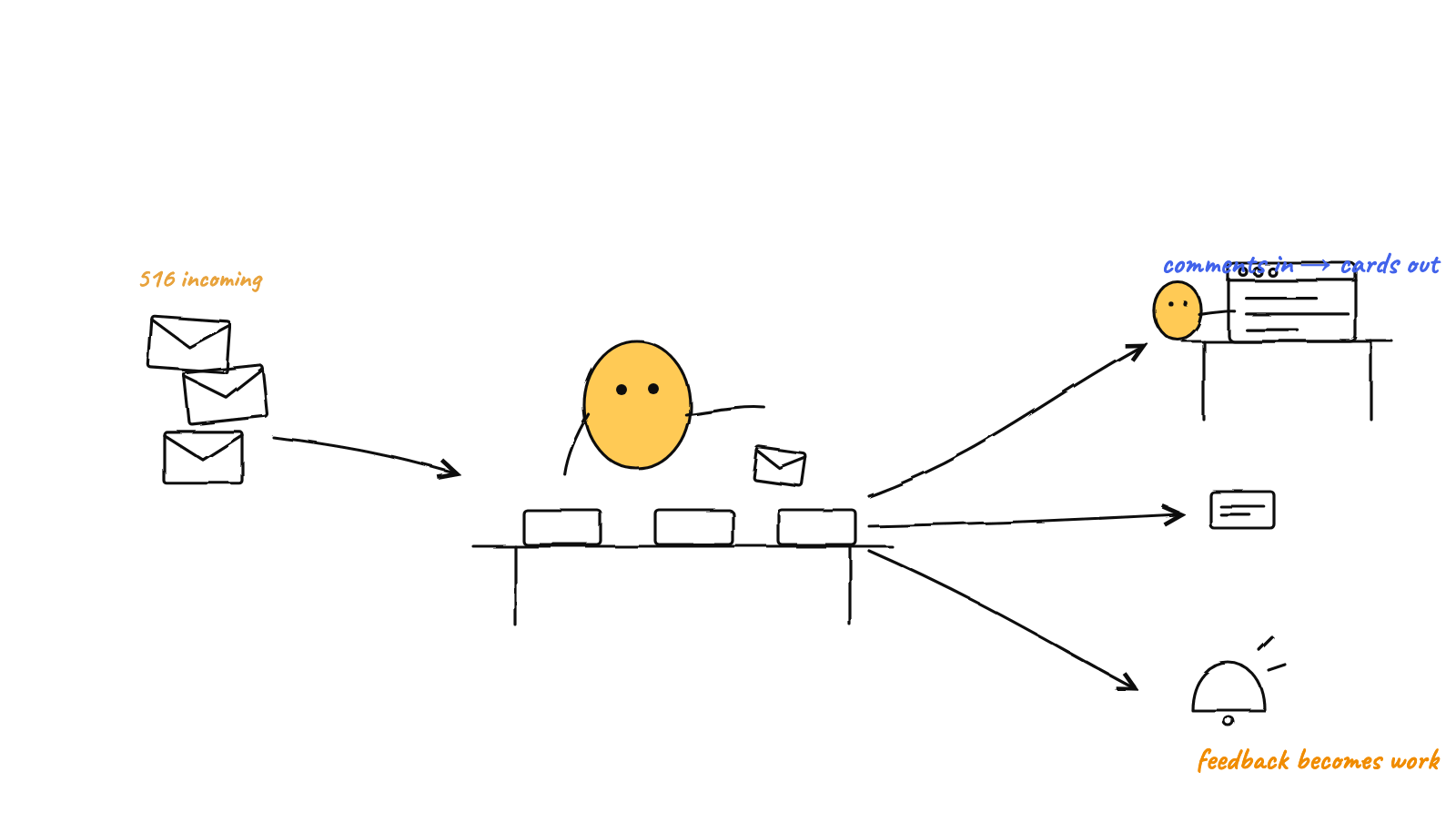
Our Agents Ran Our Launch-Week Analytics

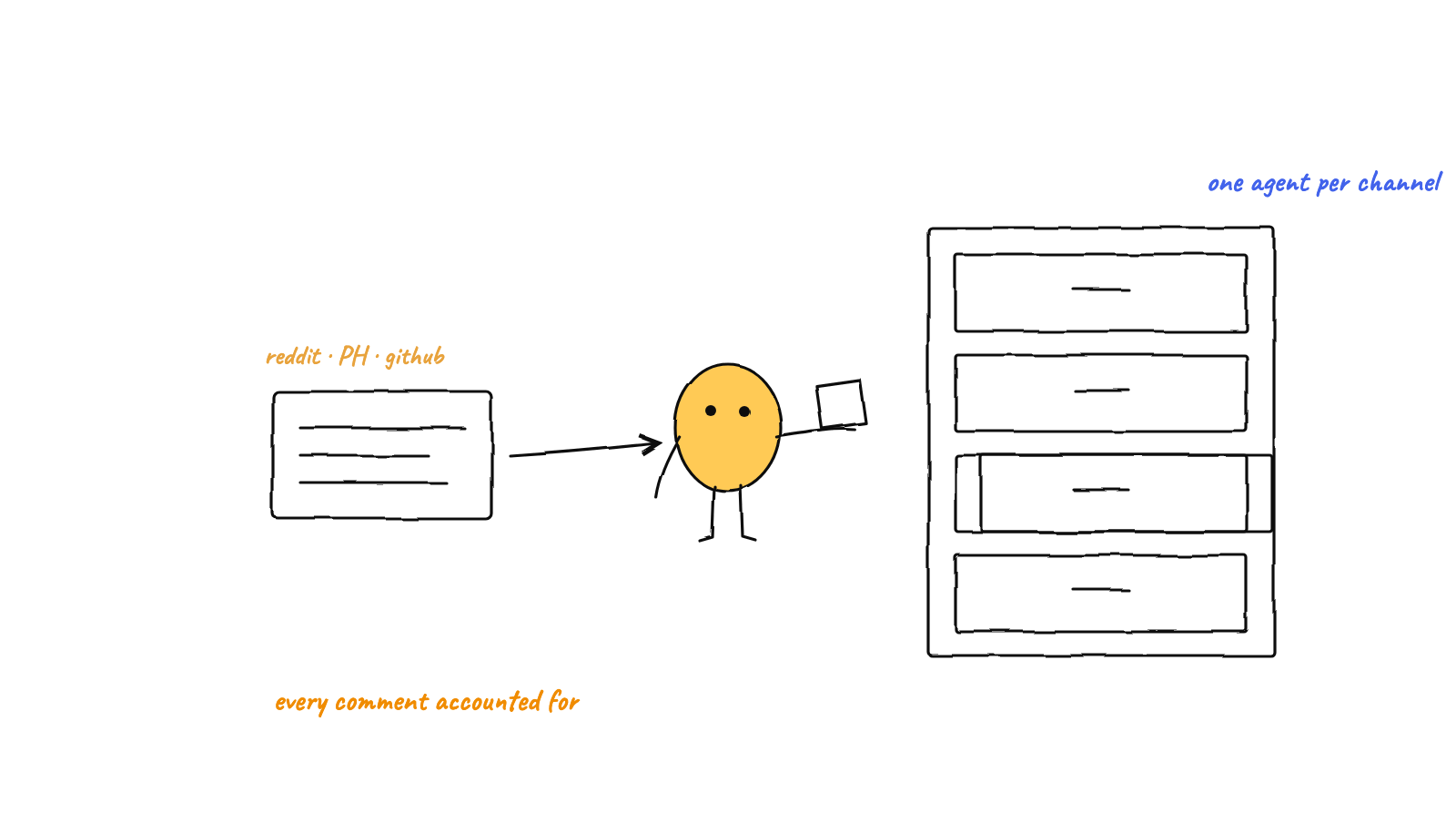
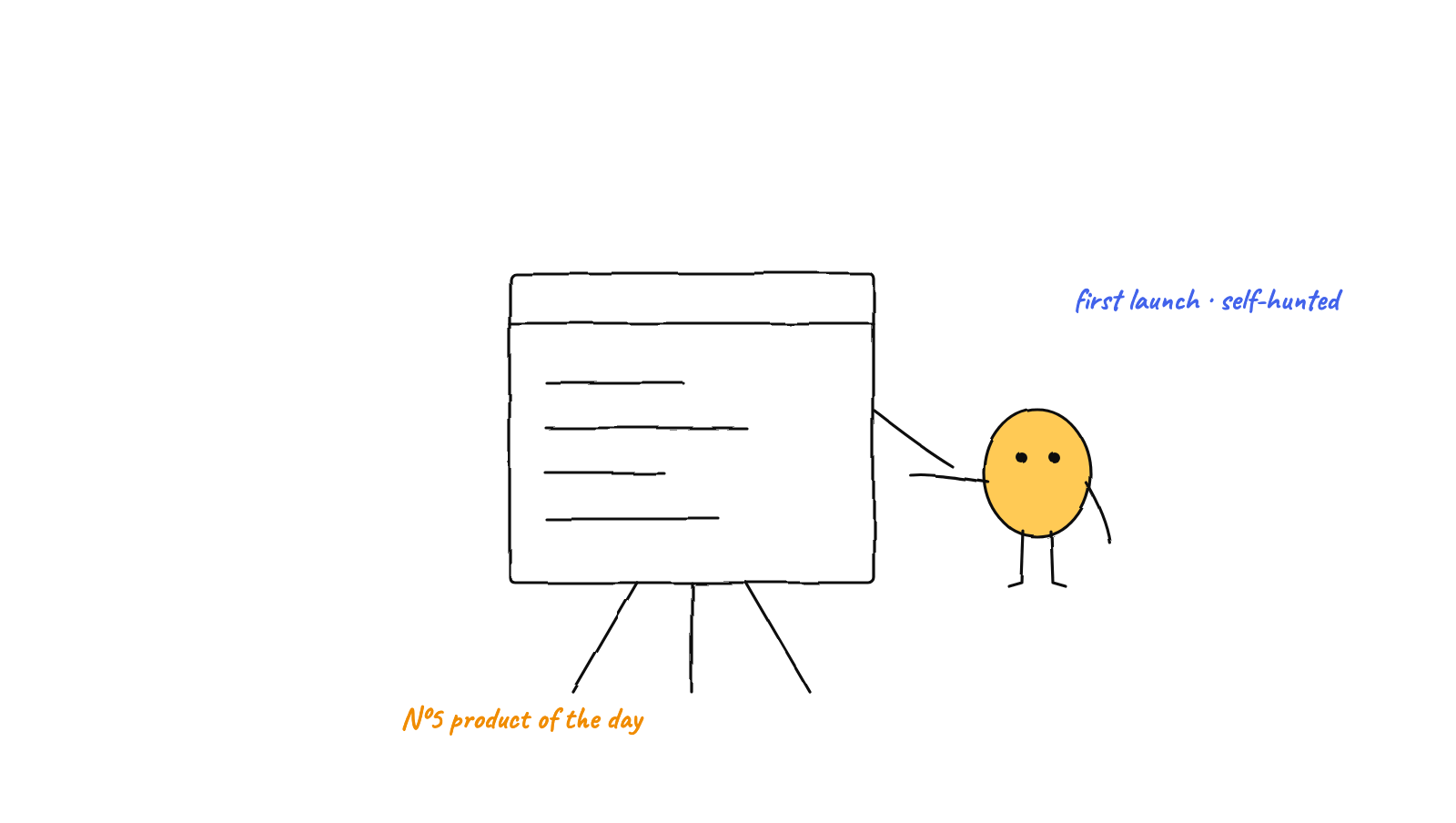
Ten Reddit threads, a Product Hunt page, GitHub traffic and PostHog funnels — every comment read, cross-referenced, and reported by a hive of agents. The workflow, and how to point it at your own launch.

Use Cases Read →
3 min

An Agent Redesigned the Blog You're Reading

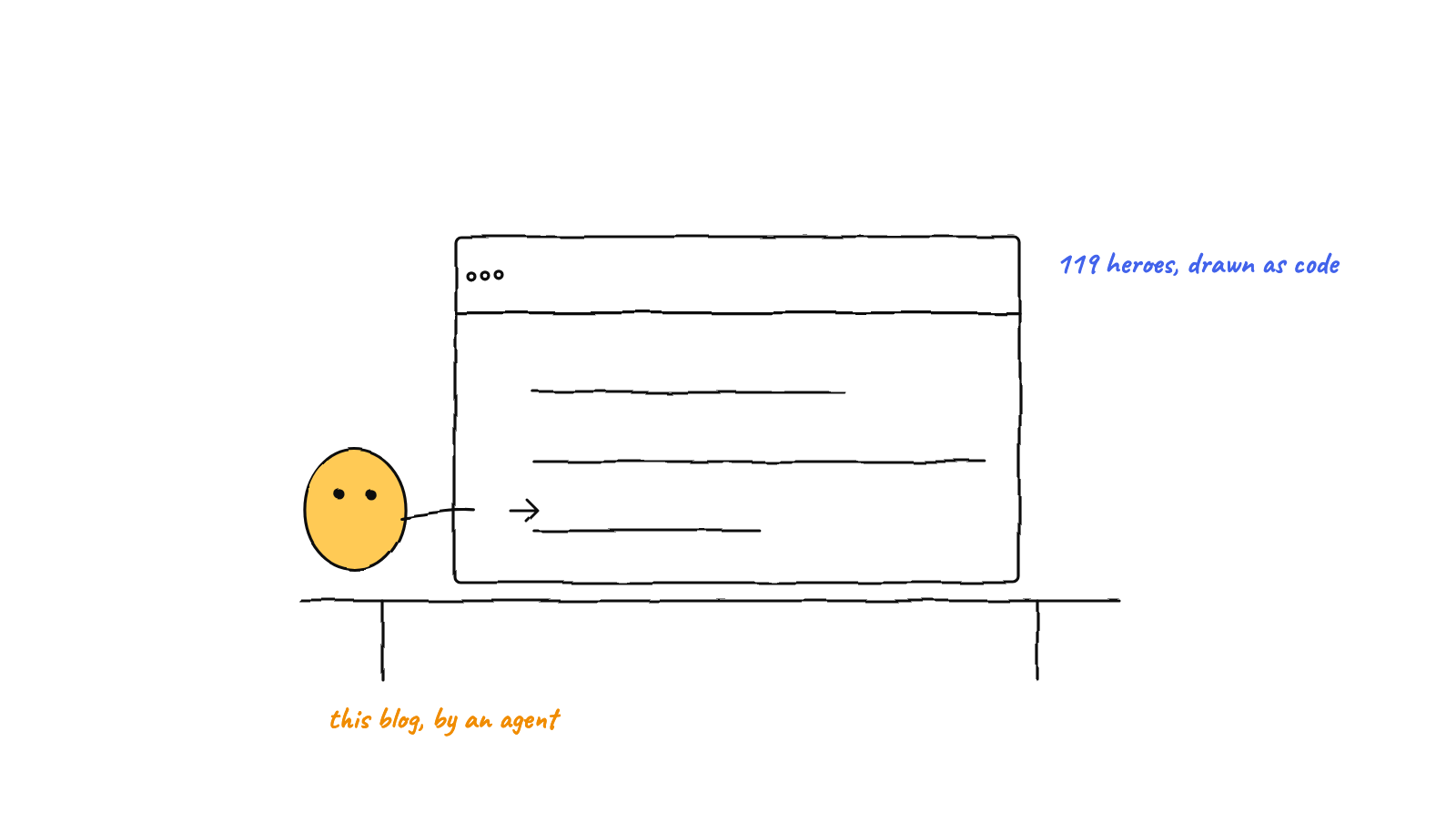
Reddit said our blog was unreadable and AI-sloppy. So one agent redesigned it end to end: a new editorial theme, and 119 hand-drawn hero illustrations rendered as code for exactly $0 in image APIs. This is the making-of.

Use Cases Read →
3 min

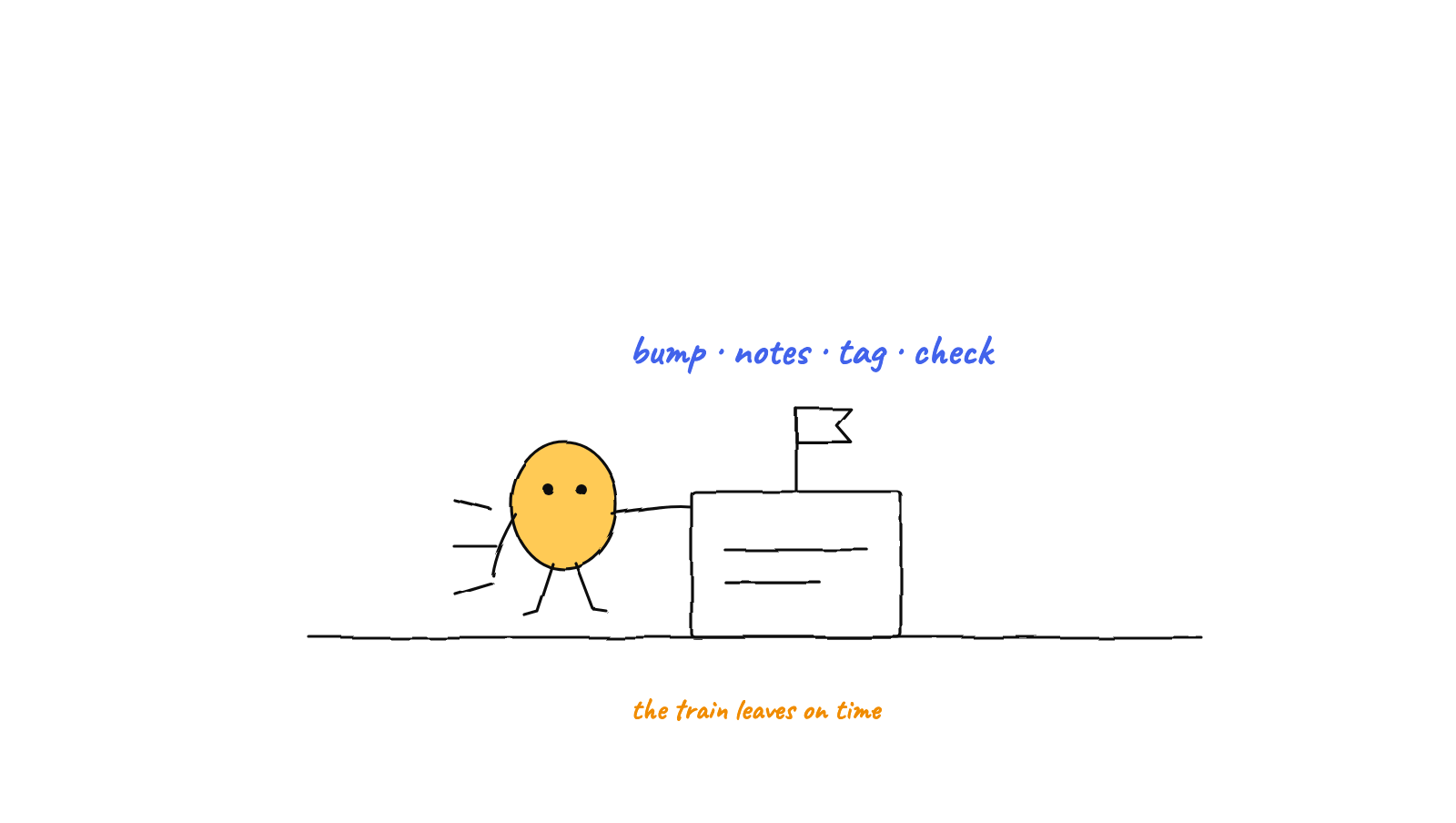
Run a Release Train with Agents

Version bumps, changelog entries, release notes in plain language, site updates, and link checks — the release chores that always slip are exactly the work a hive does well. The workflow behind our seven-releases-in-eight-days week.

Use Cases Read →
4 min

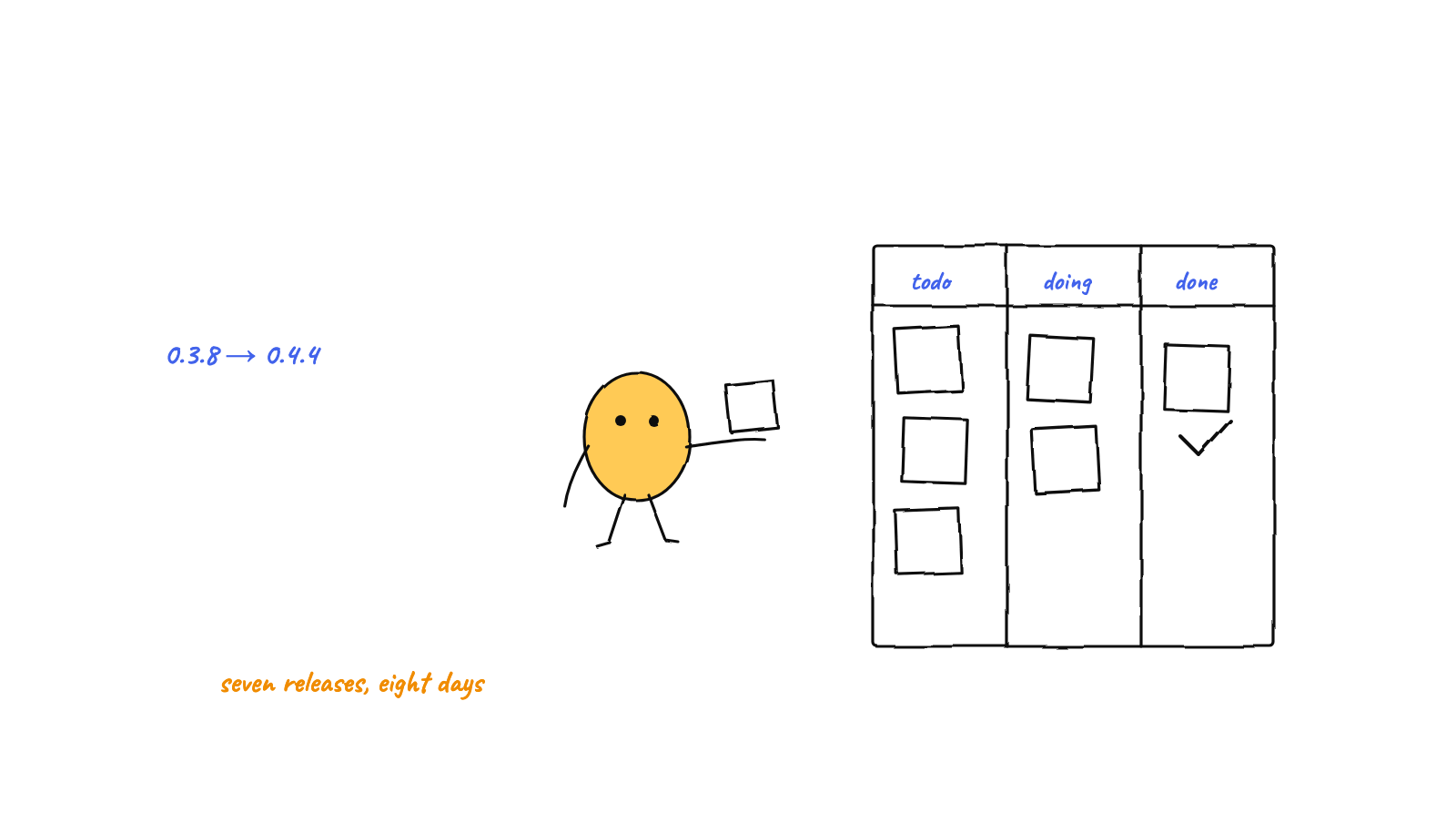
Seven Releases in Eight Days: 0.3.8 → 0.4.4

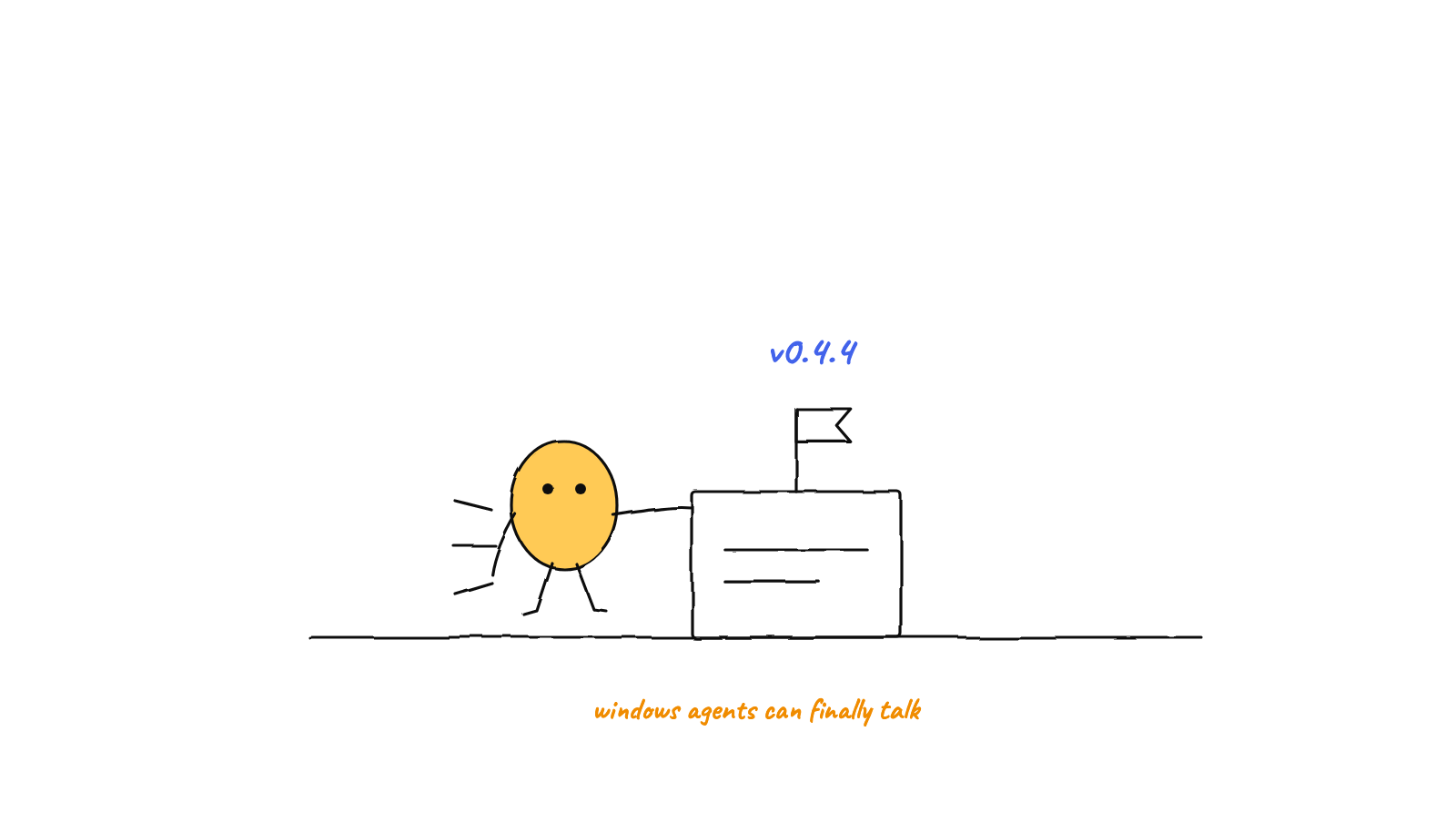
Between August 11 and August 18 we shipped seven releases: memory condensation that finally works, an update checker, a whole new brand, a public telemetry contract, ten engines named honestly, and the Windows fix. The full tour.

Story Read →
4 min

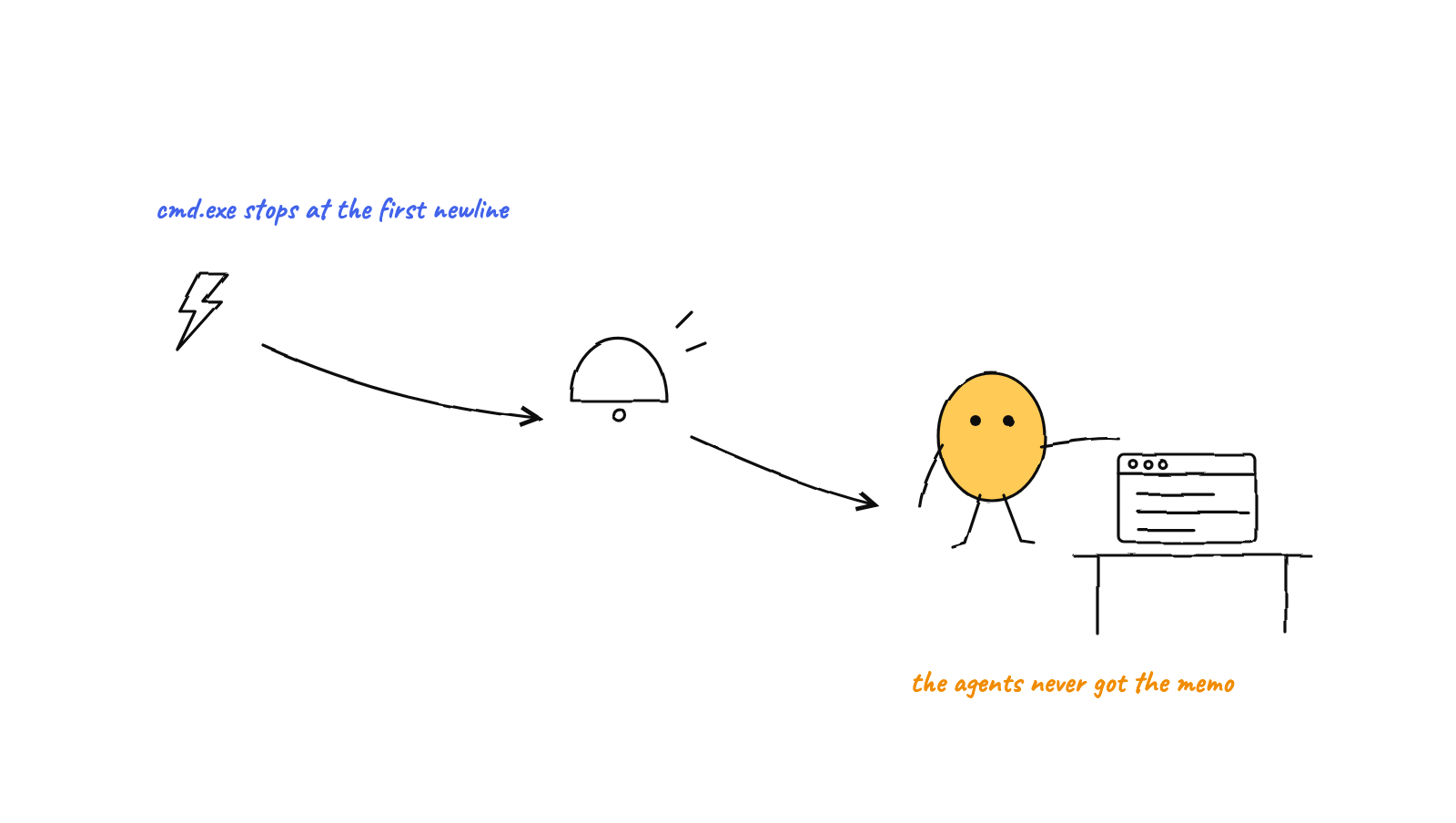
The Newline That Silenced Every Windows Agent

A cmd.exe parsing rule from the 1980s meant Windows agents received exactly one line of their multi-line startup protocol — and nothing errored. The anatomy of our worst silent failure, and the fix.

Internals Read →
5 min

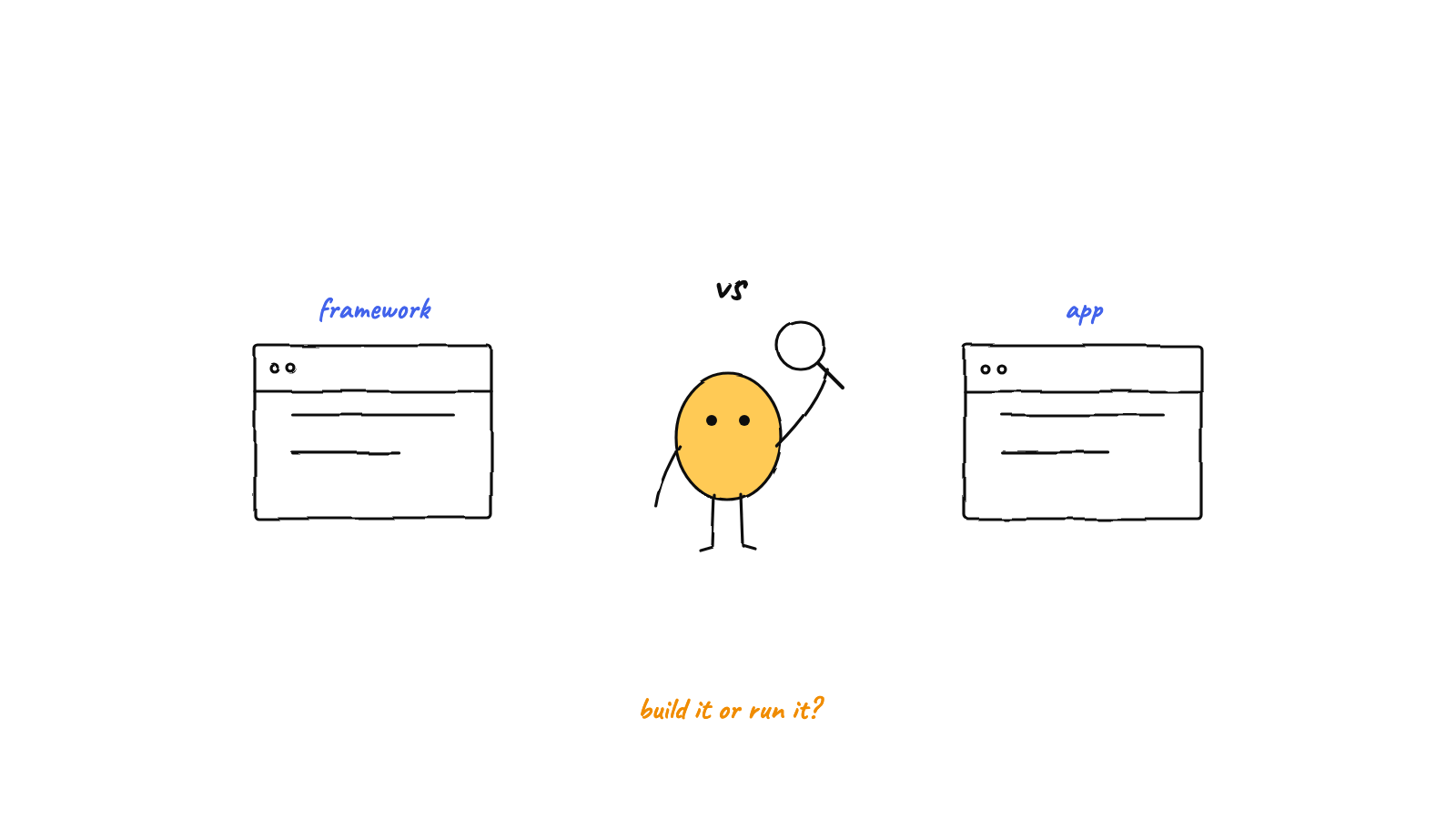
CrewAI and AutoGen vs a Local Agent Harness: Framework or App?

CrewAI, AutoGen (now Microsoft Agent Framework), and LangGraph are frameworks — Python you write to build your own agent system. A multi-agent harness is an app you download that runs a team on your repos today. Here's how to tell which one you actually need.

Comparisons Read →
5 min

How to Hire From the Agent Gallery

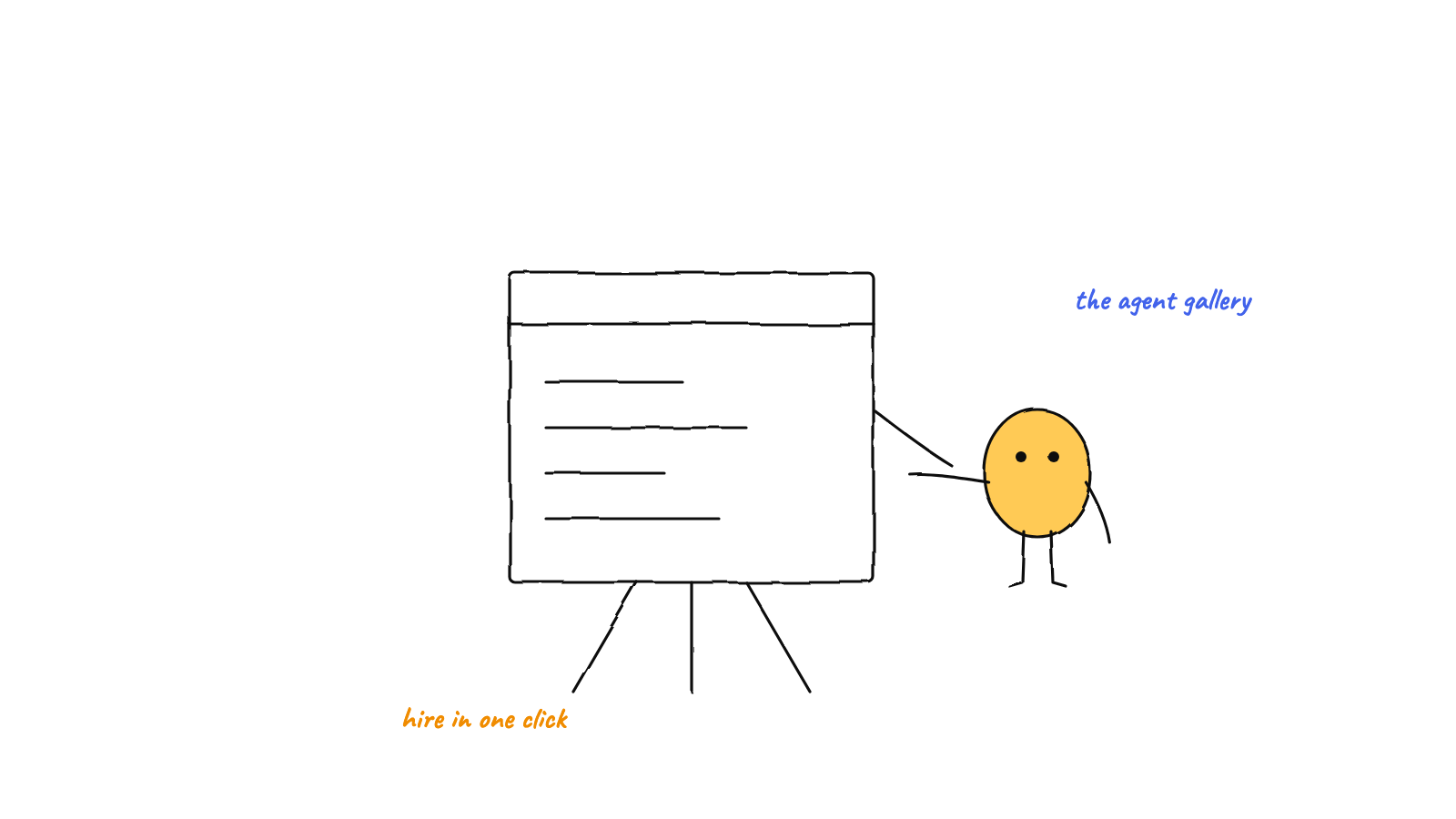
A practical guide to Munder Difflin's Agent Gallery: browse six off-the-shelf hires, import one from a link or file, review the pre-filled manifest, customize identity, workspace, engine, and briefing — then spawn it yourself.

Guides Read →
5 min

How to Brief Your Orchestrator (So the Floor Actually Ships)

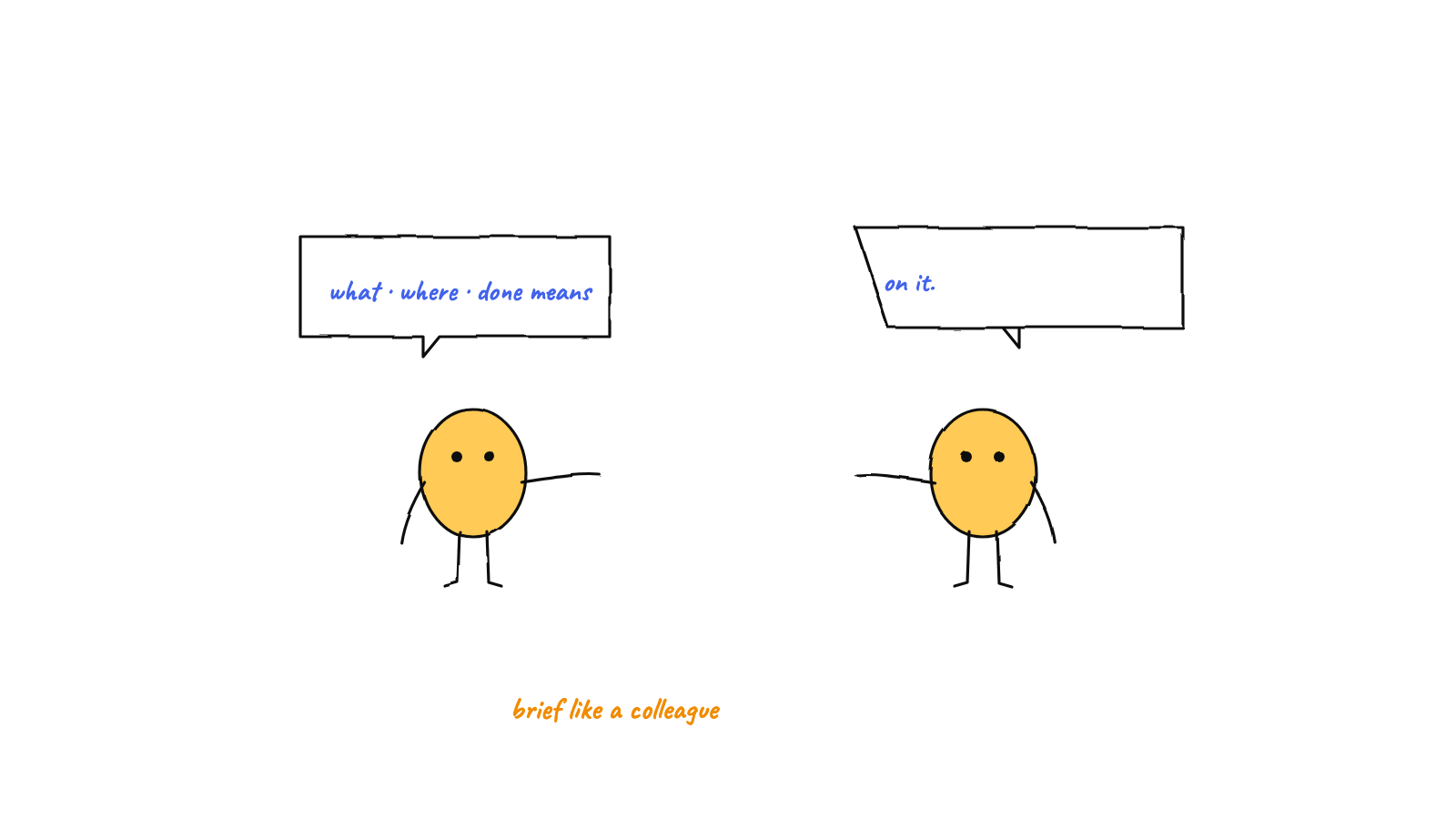
A practical guide to briefing Munder Difflin's GOD orchestrator: state the goal not the steps, set constraints and budgets, name the deliverable, and let Michael staff the floor. With bad-vs-good brief examples, mid-run steering, and Talk mode.

Guides Read →
4 min

How to Use the Built-in Monaco IDE

A practical walkthrough of Munder Difflin v0.3.3's built-in Monaco IDE: the title-bar IDE button, the git CHANGES rail with side-by-side diffs vs HEAD, the file tree, tabs, Cmd/Ctrl+S save — and the agent review workflow it enables.

Guides Read →
6 min

Loop Engineering: Designing Agent Loops That Converge

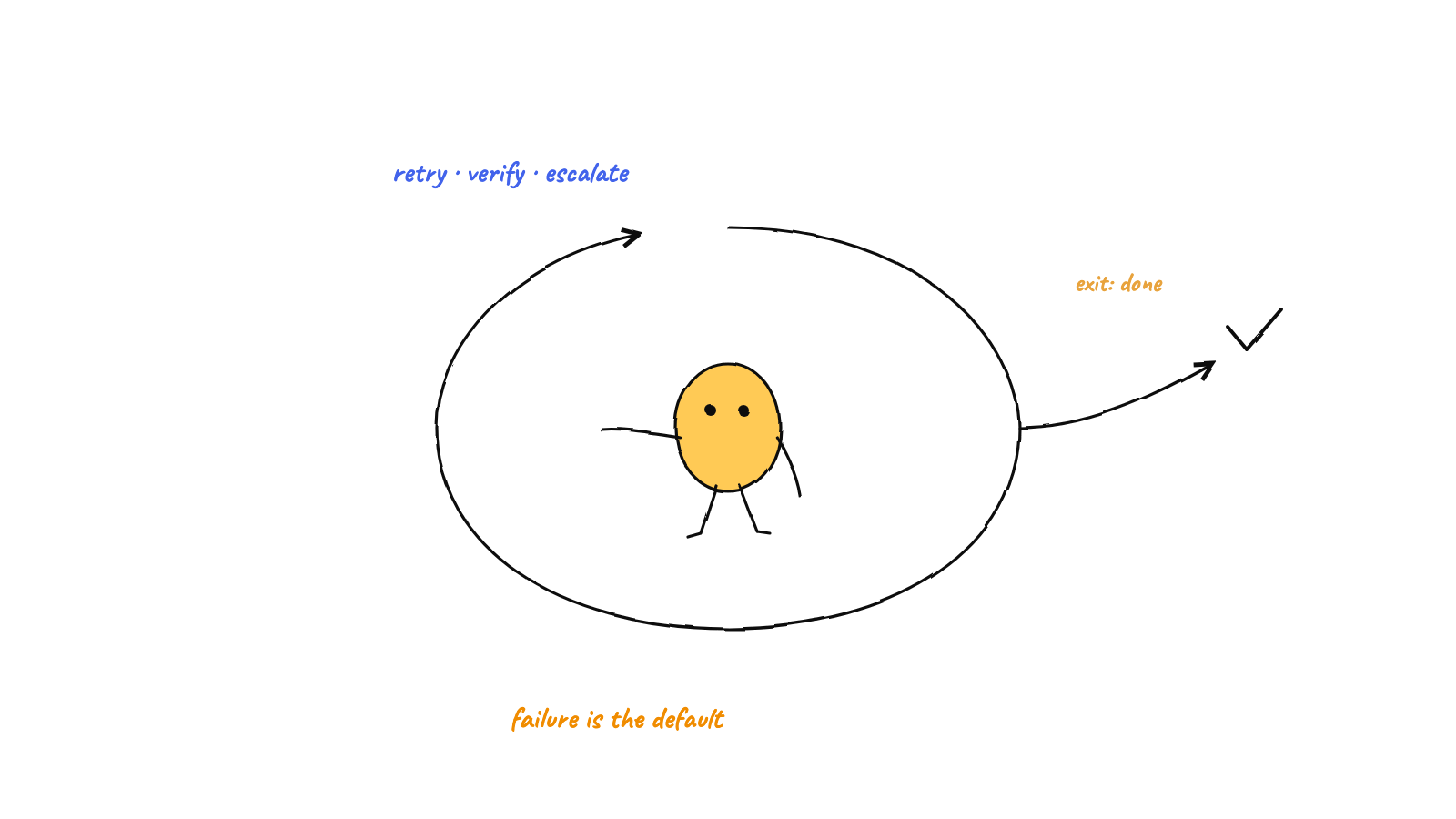
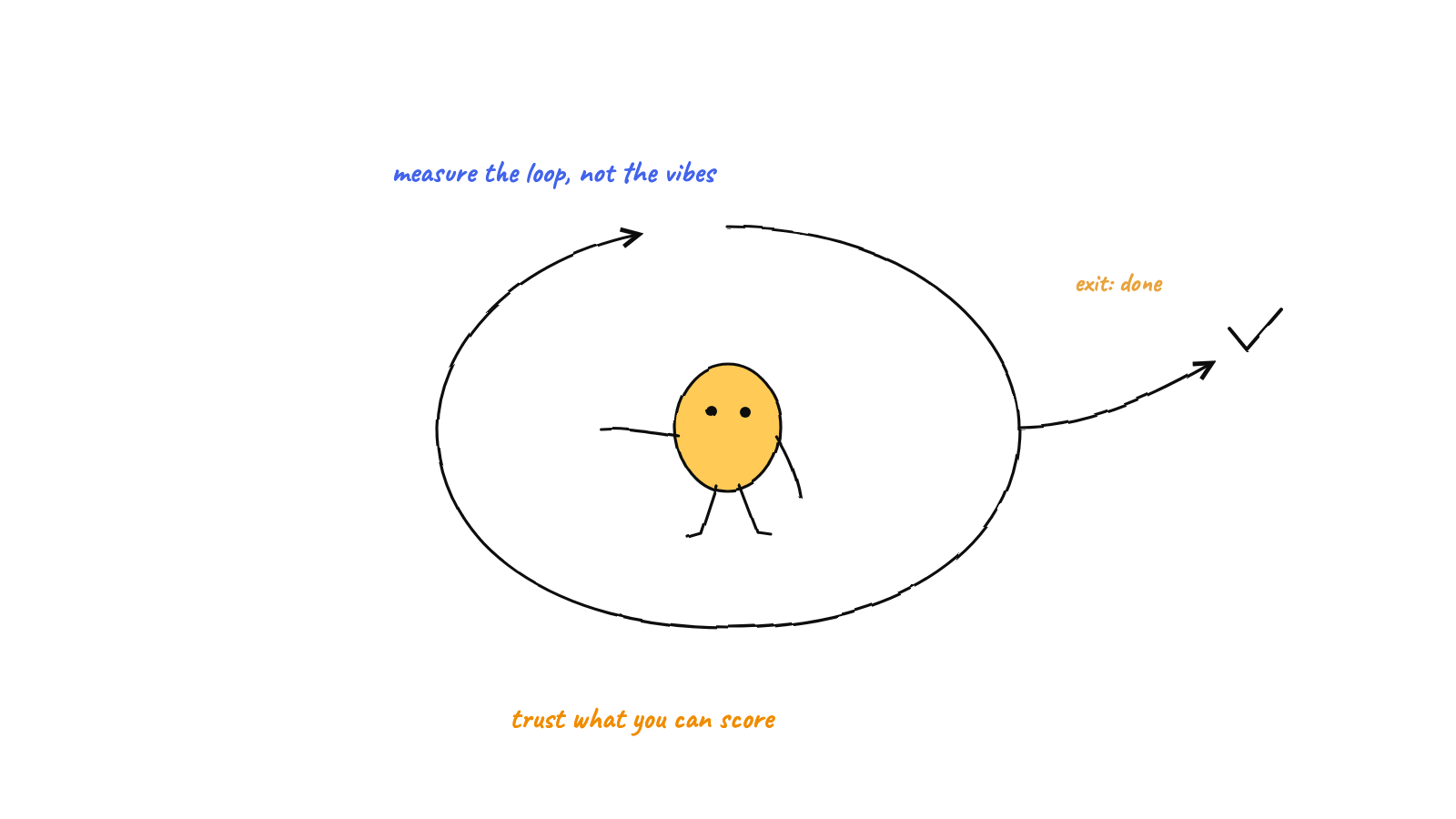
Everyone engineers the prompt; almost nobody engineers the loop around it. Stop conditions, drain loops, retry with backoff, compaction cycles, breaker escalation, budgets, and human gates — the outer-loop mechanics that make an agent converge instead of run away.

Concepts Read →
5 min

Orca vs Munder Difflin: Agent IDE or Agent Office?

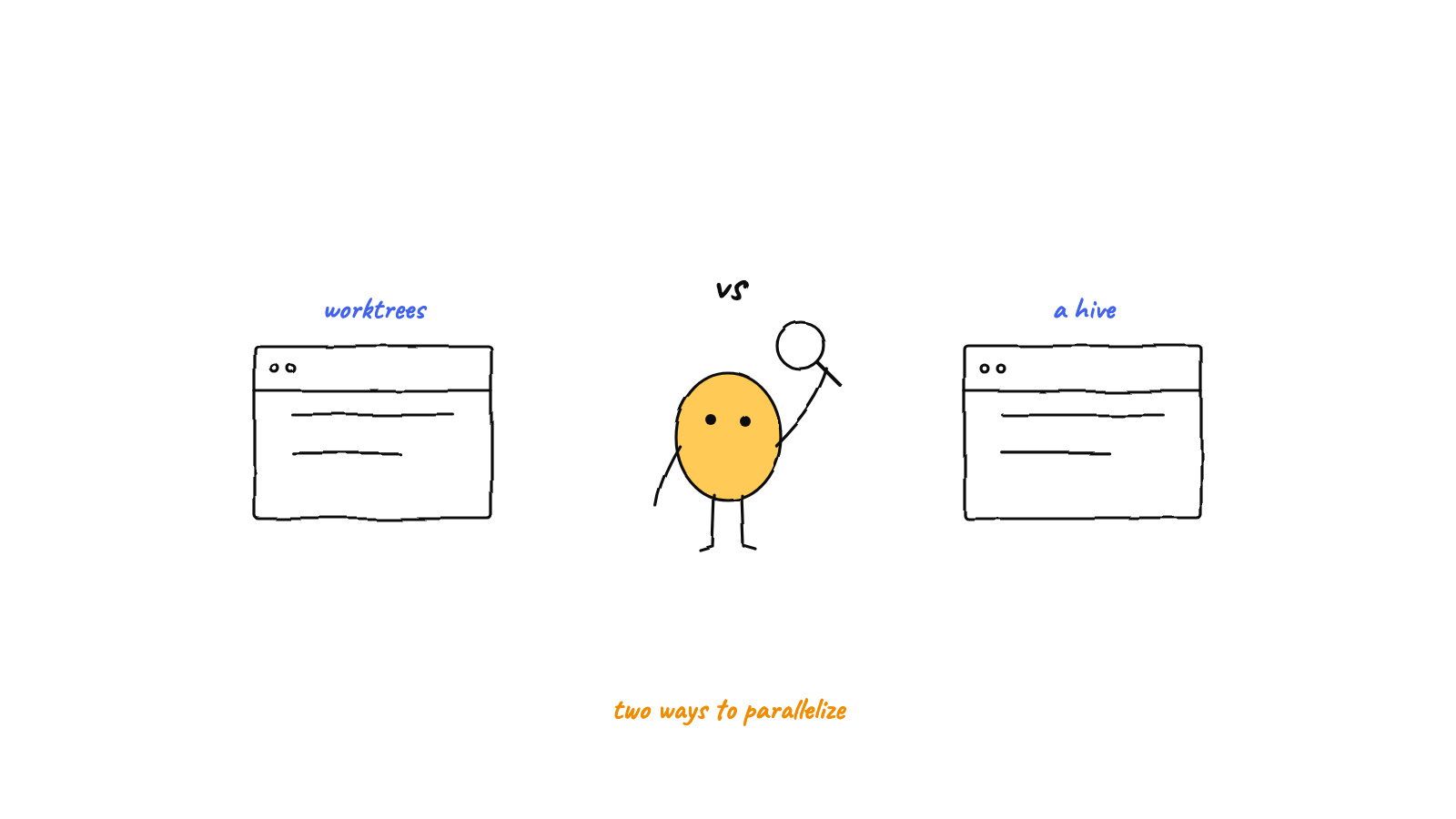
Orca is a YC-backed Agent IDE for driving coding agents side by side in isolated worktrees. Munder Difflin is an agent office that runs itself. An honest comparison of the two — and when each one is the right pick.

Comparisons Read →
4 min

Review Agent Work Where It Happens

AI agents produce diffs faster than humans can review them, and alt-tabbing to an external editor breaks supervision flow. The case for review-in-place: Munder Difflin's built-in Monaco IDE puts a CHANGES rail and side-by-side diffs vs HEAD right on the office floor.

Concepts Read →
4 min

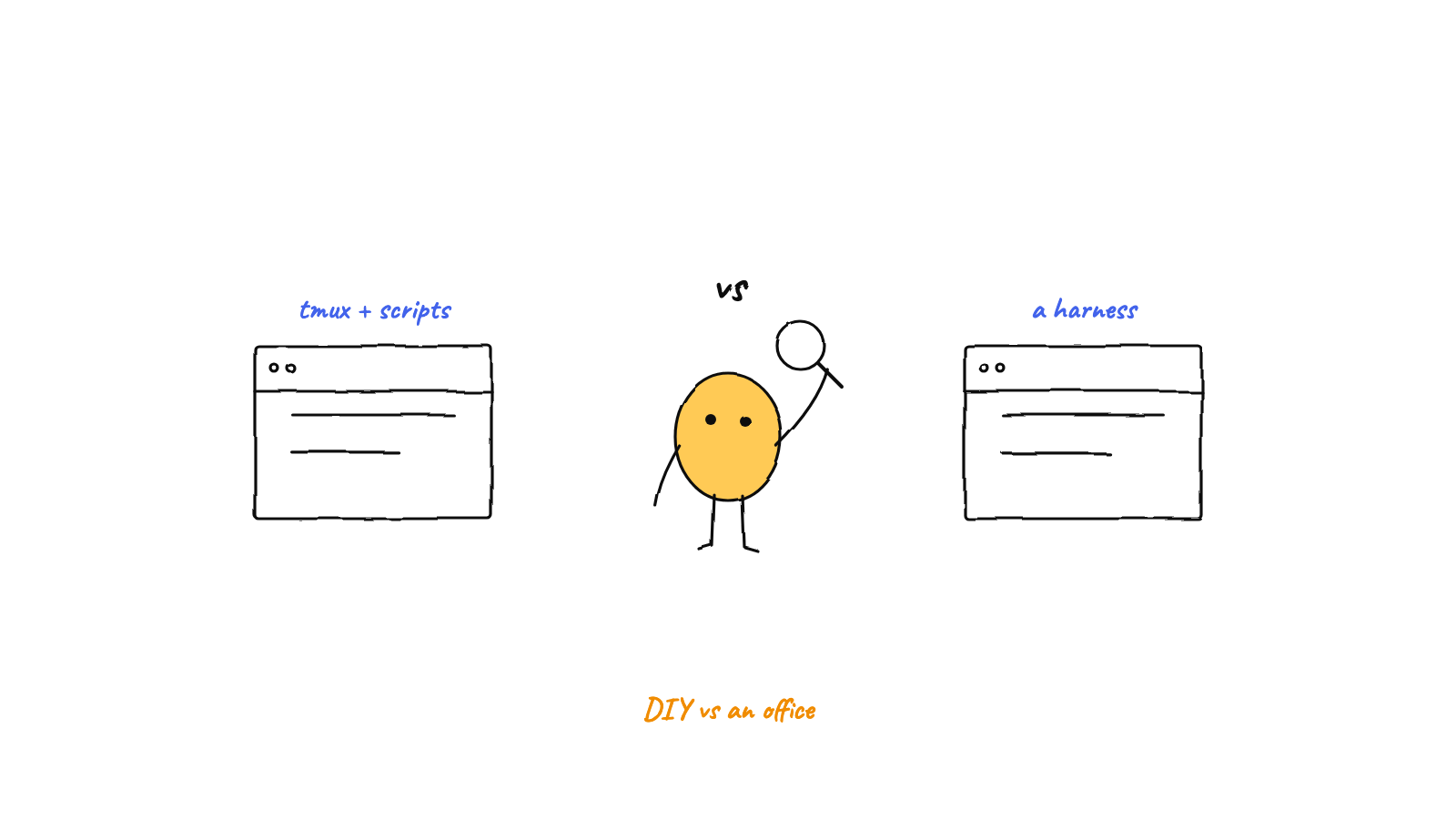
Running Agents in tmux vs an Agent Harness

tmux panes, git worktrees, shell scripts, and cron will absolutely run several Claude Code sessions at once. Here's what that DIY setup does well, where it breaks at scale, and what a purpose-built agent harness automates.

Comparisons Read →
5 min

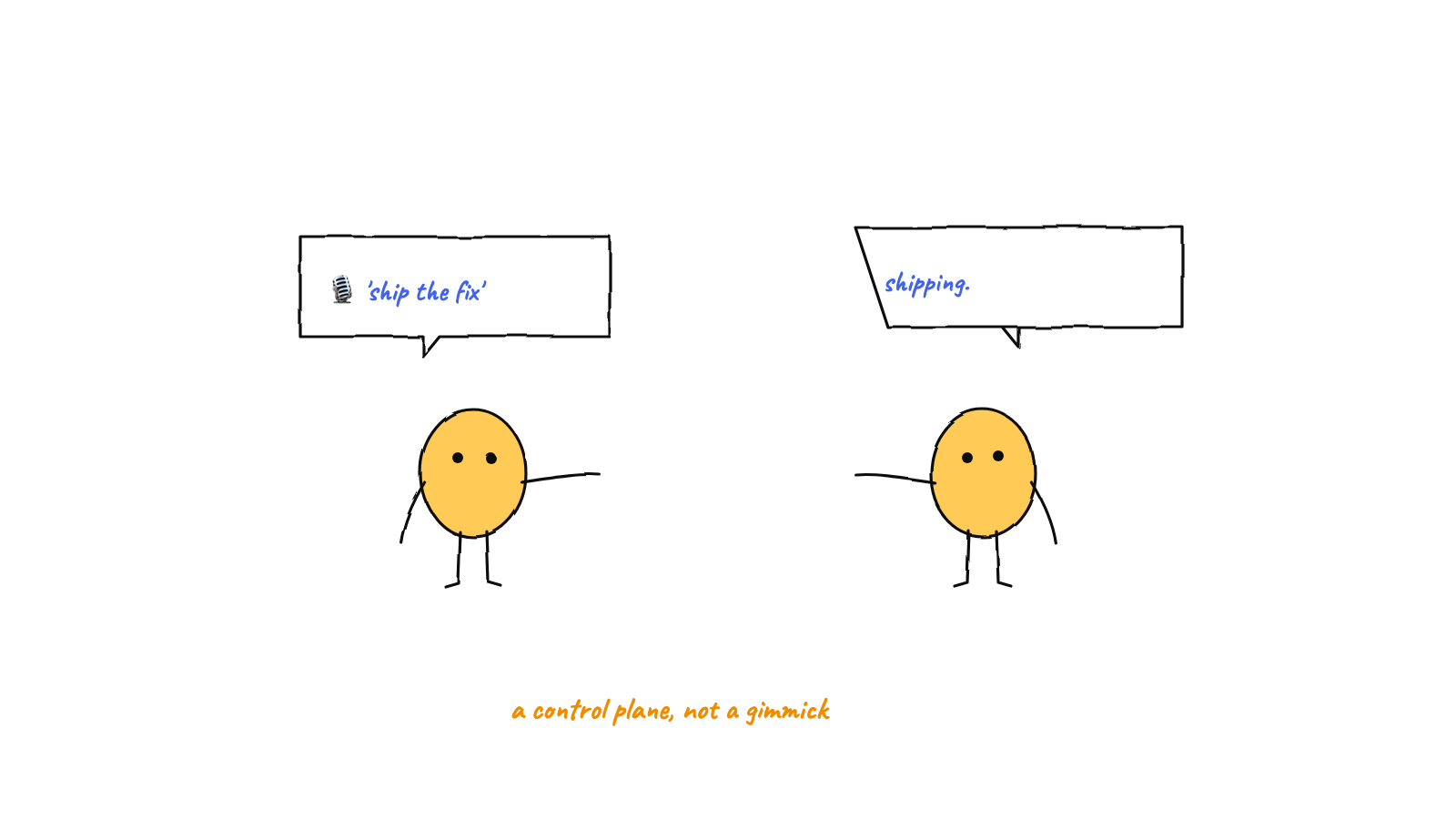
Voice Is a Control Plane, Not a Gimmick

Voice is a terrible way to write code and a great way to run a fleet. Why low-bandwidth commands over high-bandwidth work is the right split — with Munder Difflin's Talk mode (echo-back confirmation, spend caps, michael-voice attribution) as the case study.

Concepts Read →
5 min

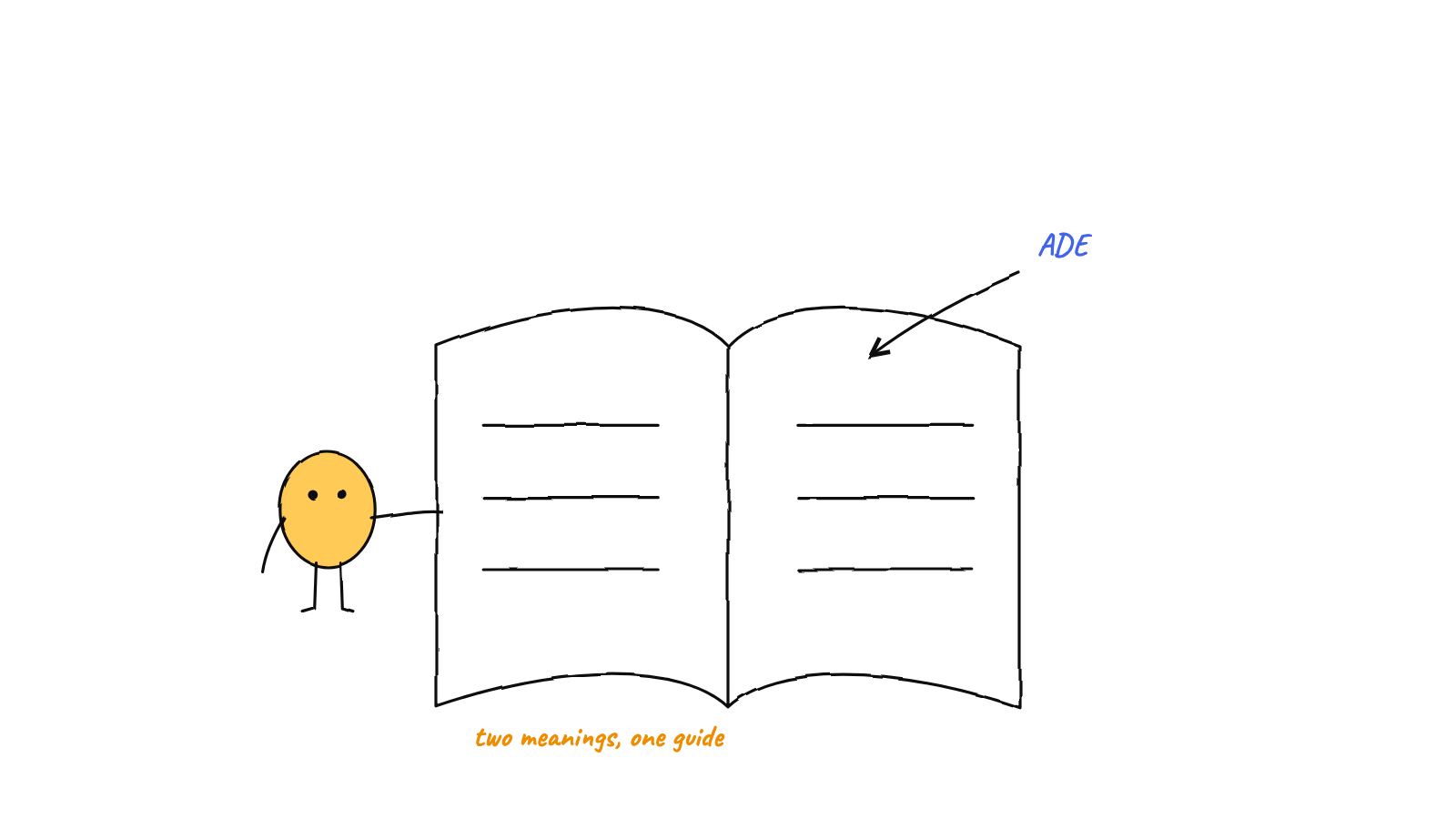
What Is an Agent Development Environment (ADE)?

ADE means two things in 2026: a platform for building agents (Letta's sense) and a workspace for shipping code with fleets of coding agents (Orca's sense). Here's the full tooling map — chat IDEs, agent CLIs, agent IDEs, and agent harnesses — and how to pick.

Concepts Read →
5 min

What Is Harness Engineering?

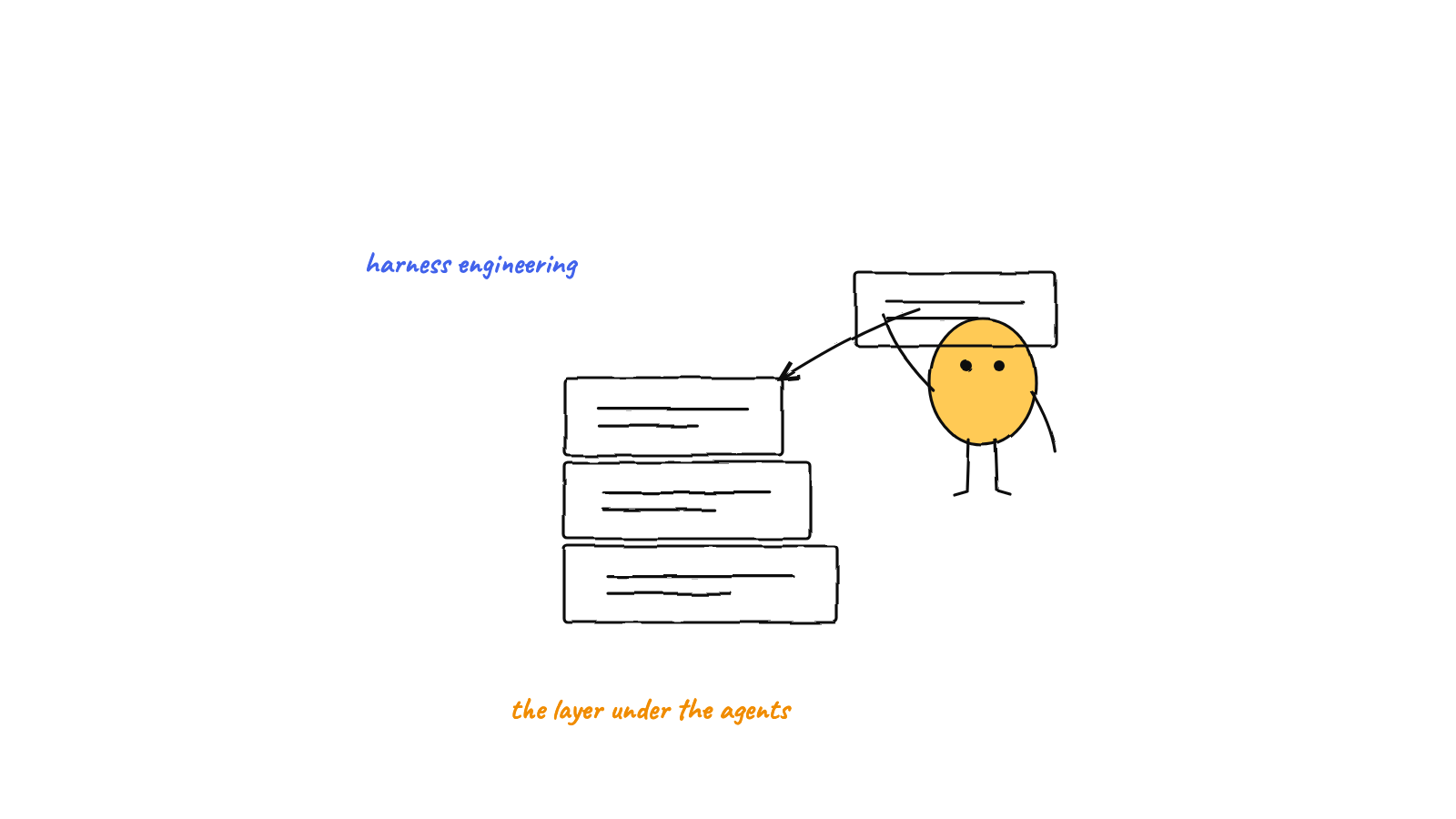
Harness engineering is the discipline of building everything around the model — PTY plumbing, lifecycle hooks, mailboxes, memory, budgets, human gates, observability — because that's where agent reliability actually comes from. A definition, and four case studies from inside Munder Difflin.

Concepts Read →
6 min

Your First Hour With Munder Difflin

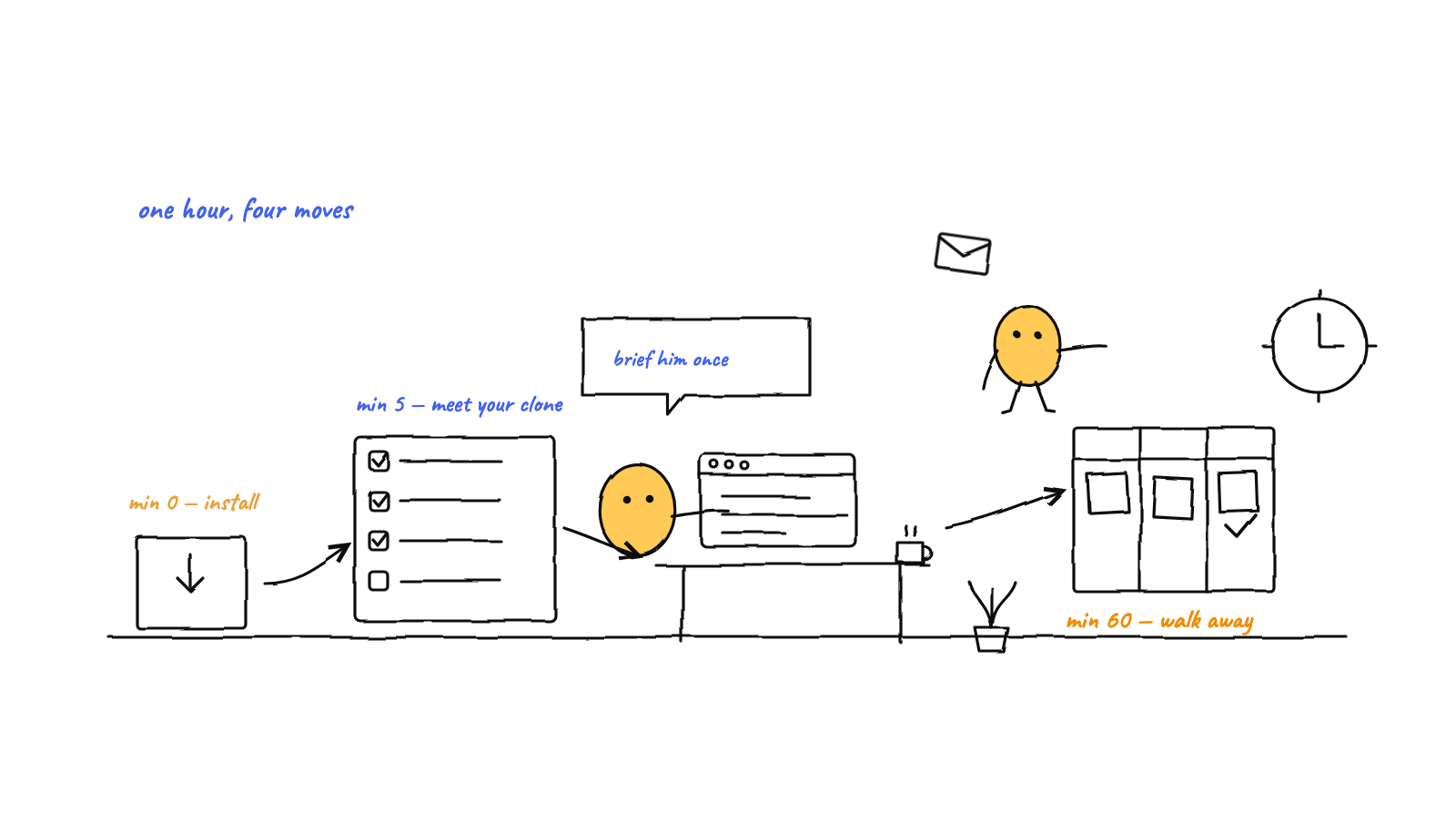
A minute-by-minute walkthrough of your first hour with Munder Difflin v0.4.4: install, the clone-of-you onboarding, your first brief to Michael, watching the floor, approving your first escalation, and leaving a schedule running.

Guides Read →
8 min

Run Munder Difflin Locally on a Mac Mini

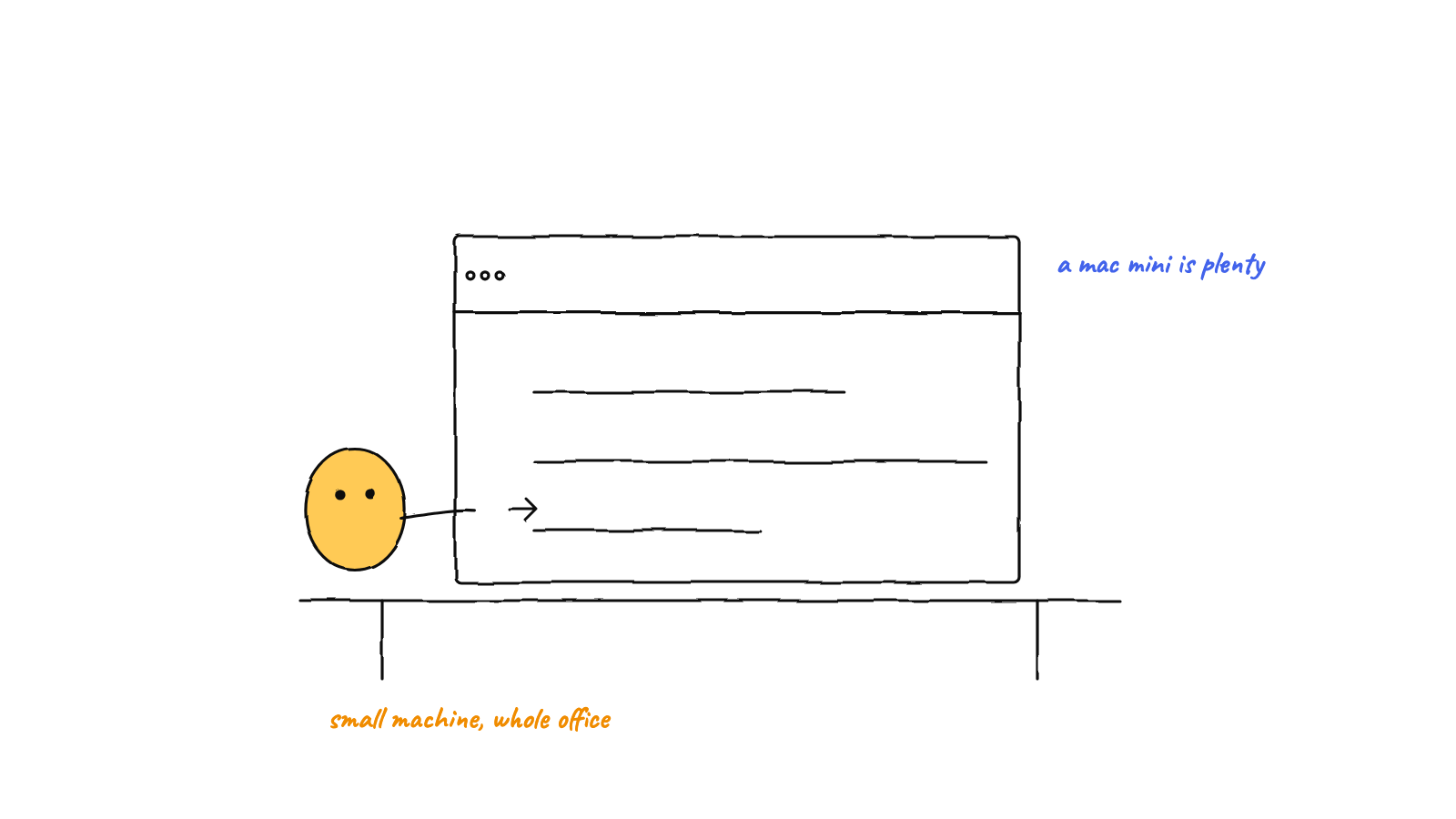
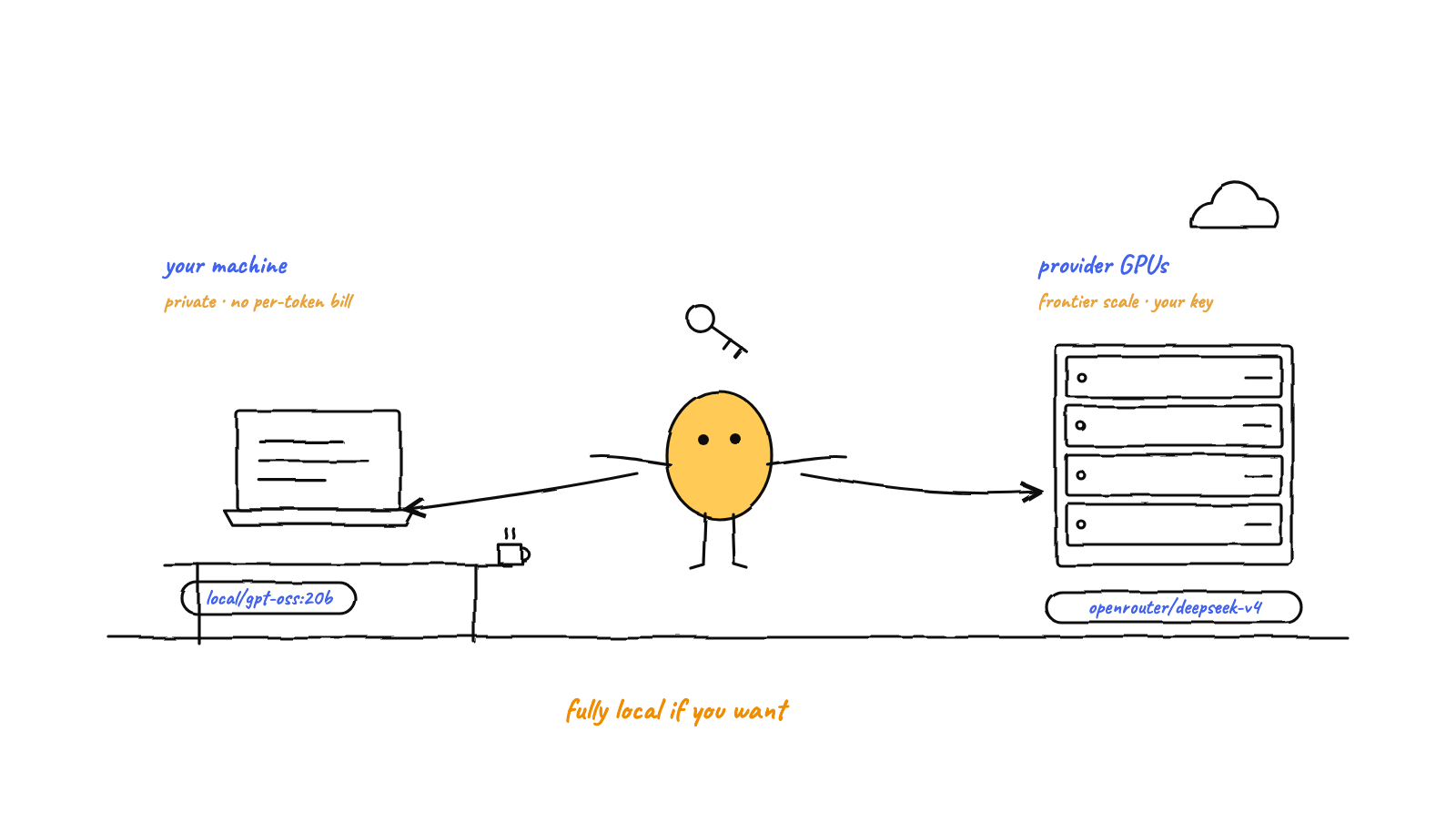
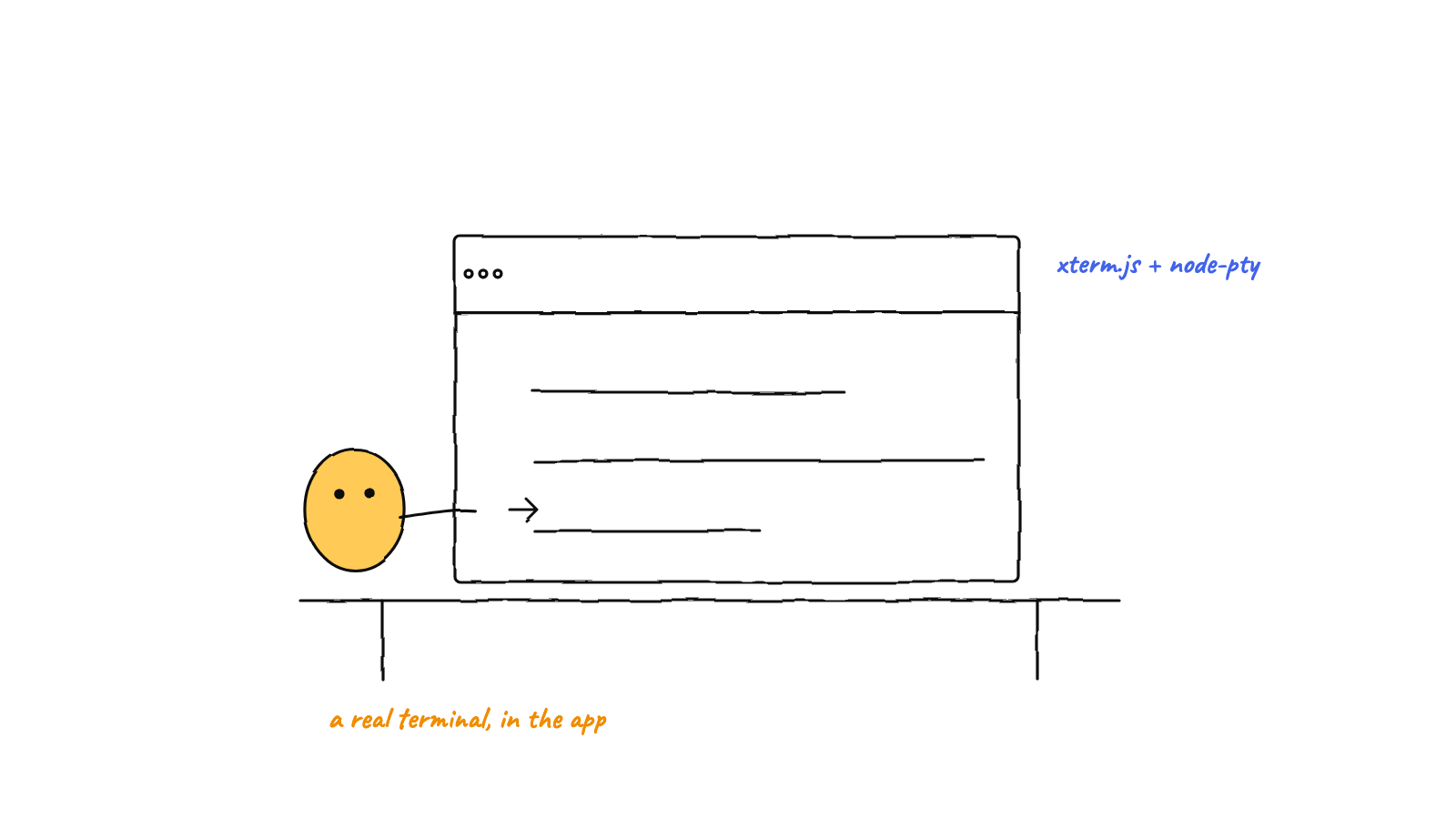
A step-by-step guide to running a whole Munder Difflin hive offline on an Apple Silicon Mac Mini — how to size models to your unified memory, install Ollama or LM Studio, and wire OpenCode and Crush to a local endpoint.

Guides Read →
6 min

Deploy a Blog-Writer Agent: The One That Wrote This Post

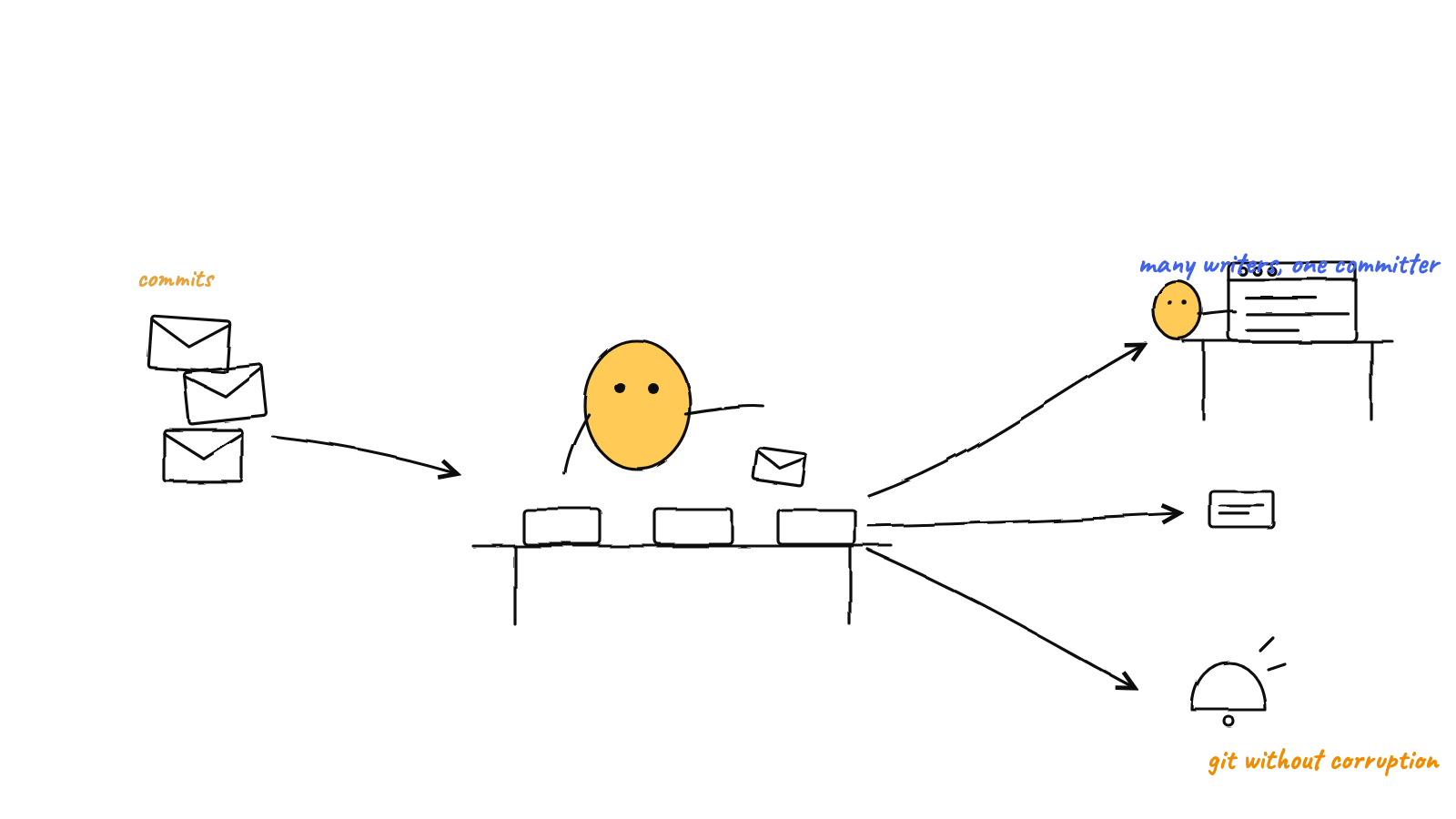
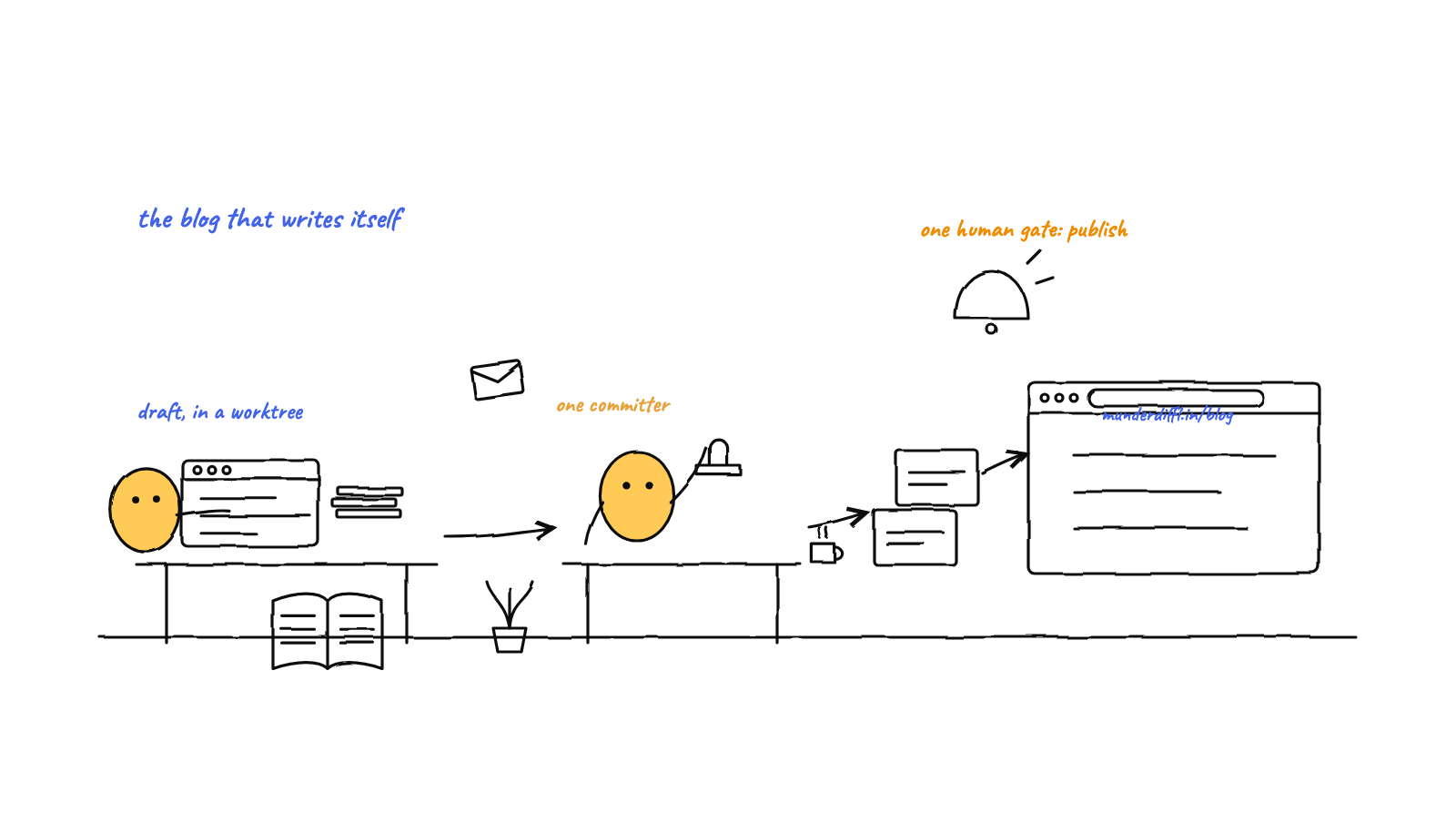
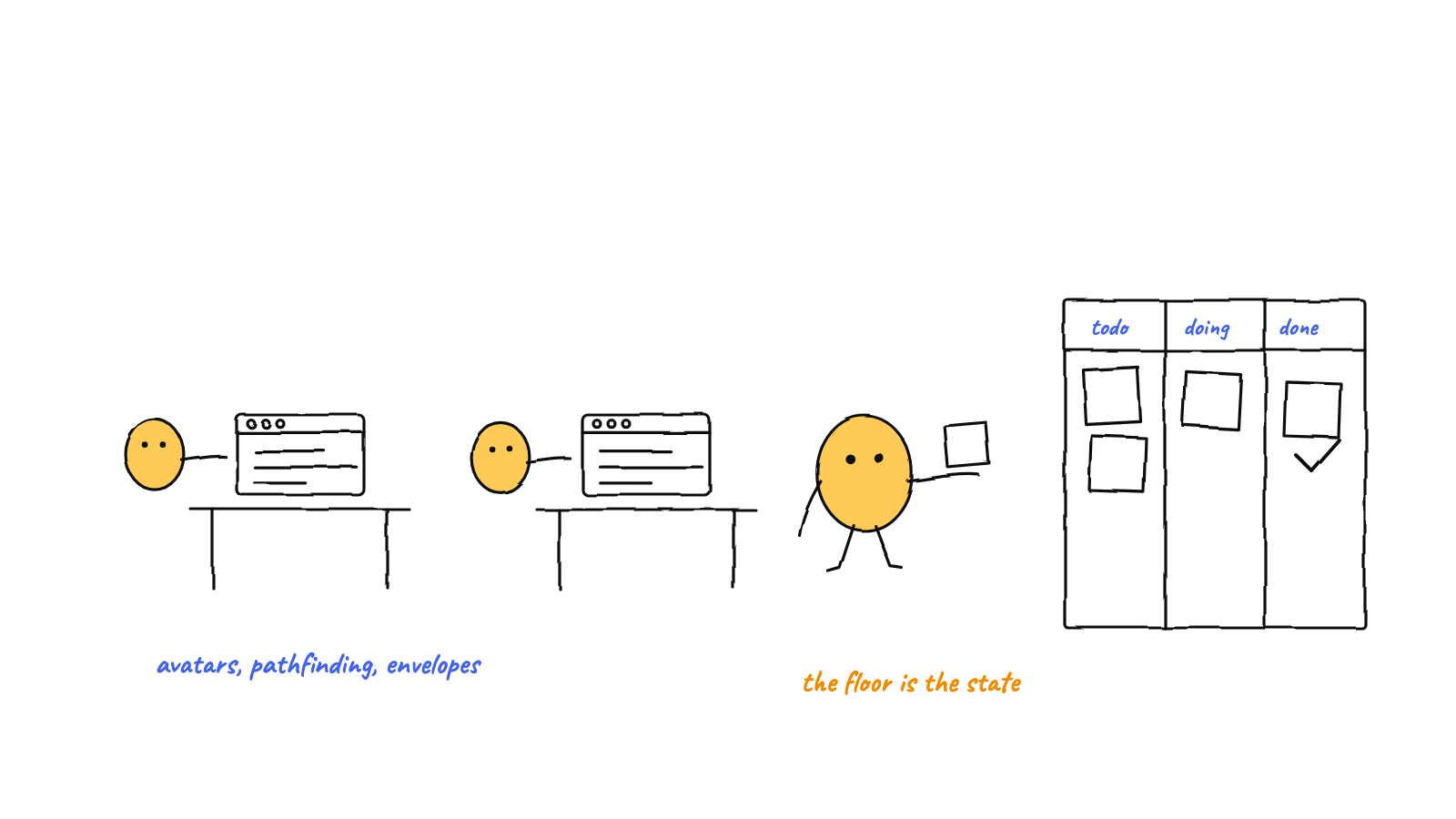
How Munder Difflin's blog is written by an automated writer agent in the hive — drafts in a worktree, single-committer integration, Eleventy build, human-gated deploy, and now hand-drawn illustrations from the same office. Build your own.

Use Cases Read →
7 min

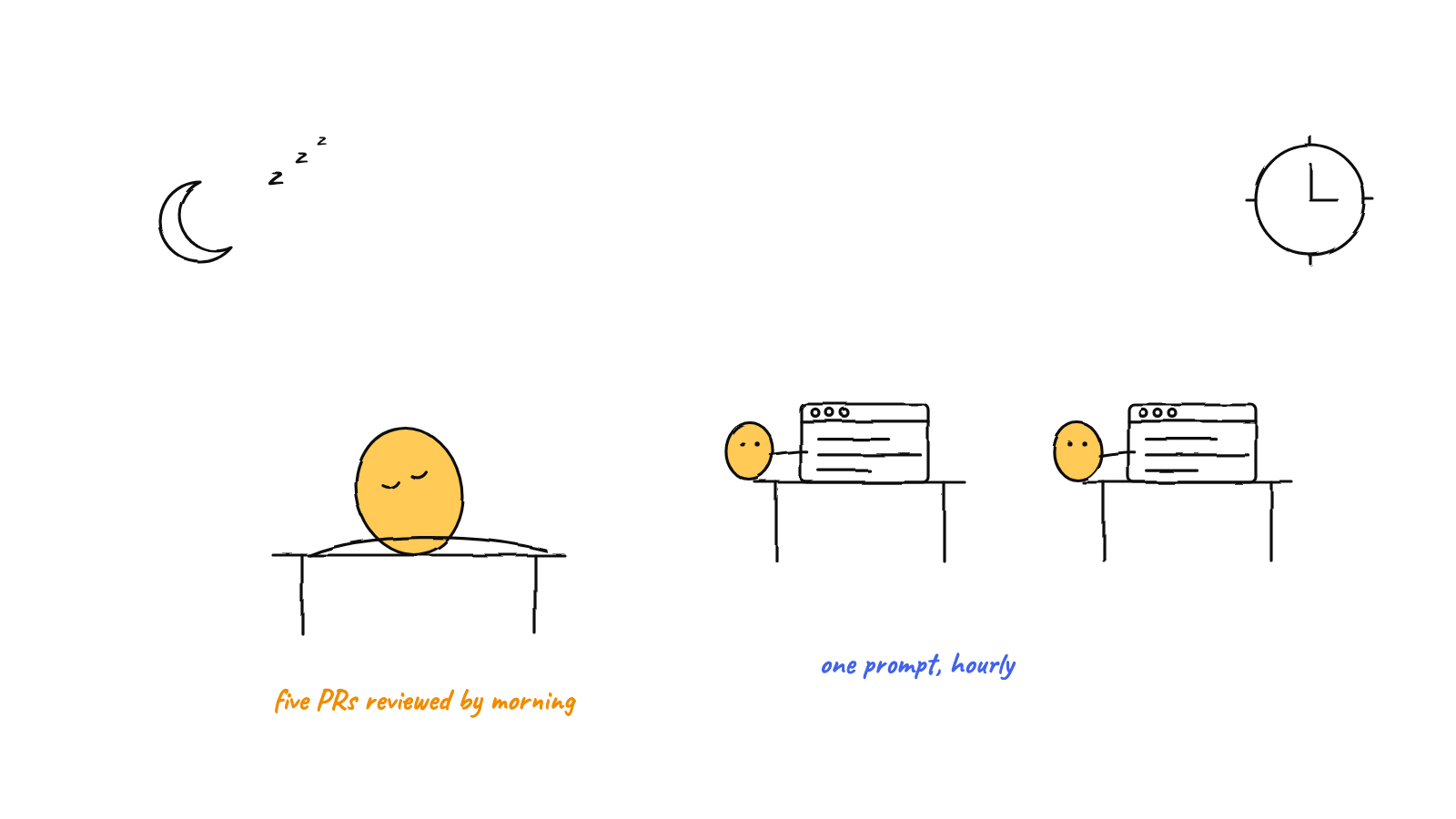
Deploy a PR Reviewer That Never Sleeps — In About One Prompt

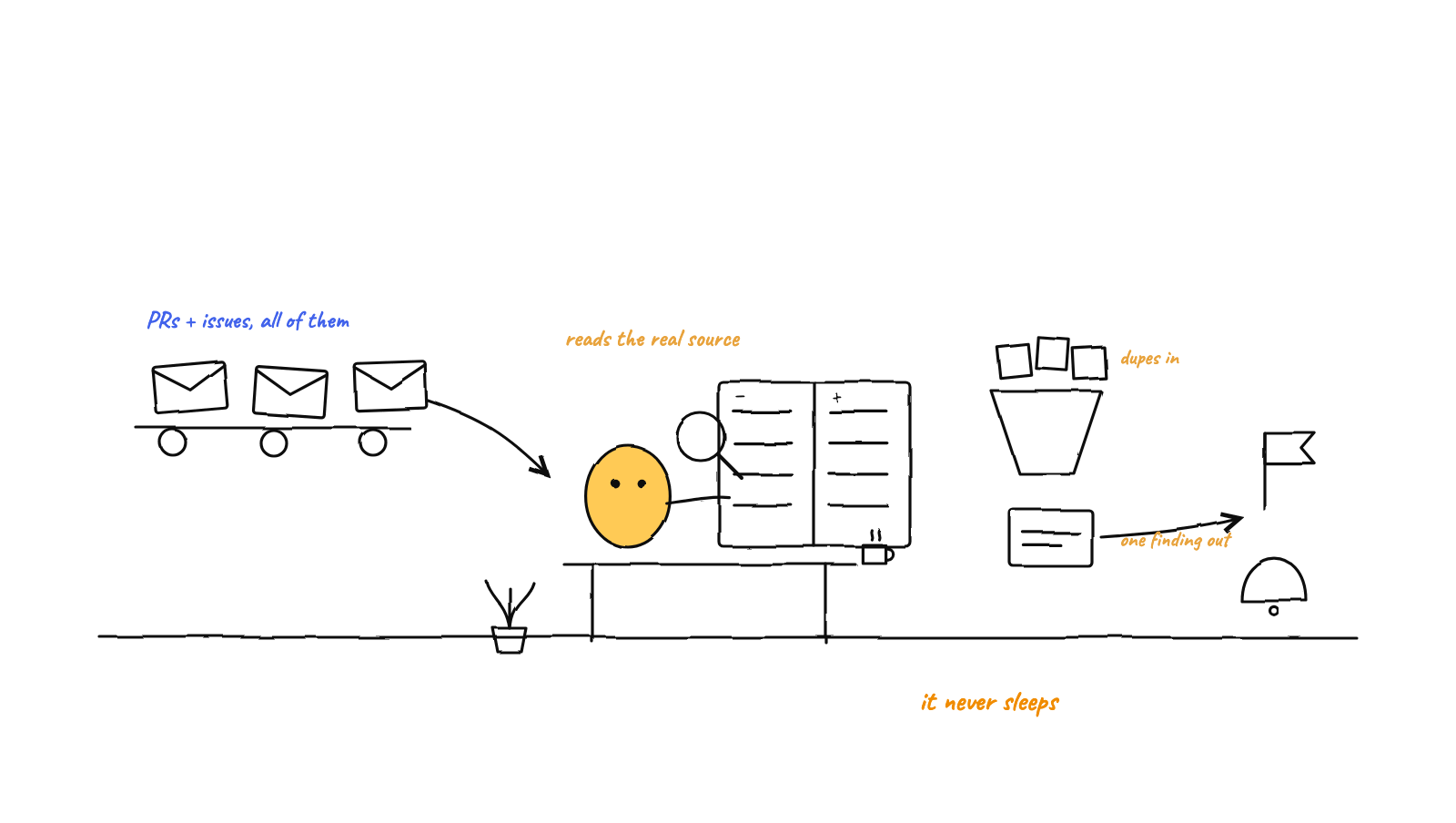
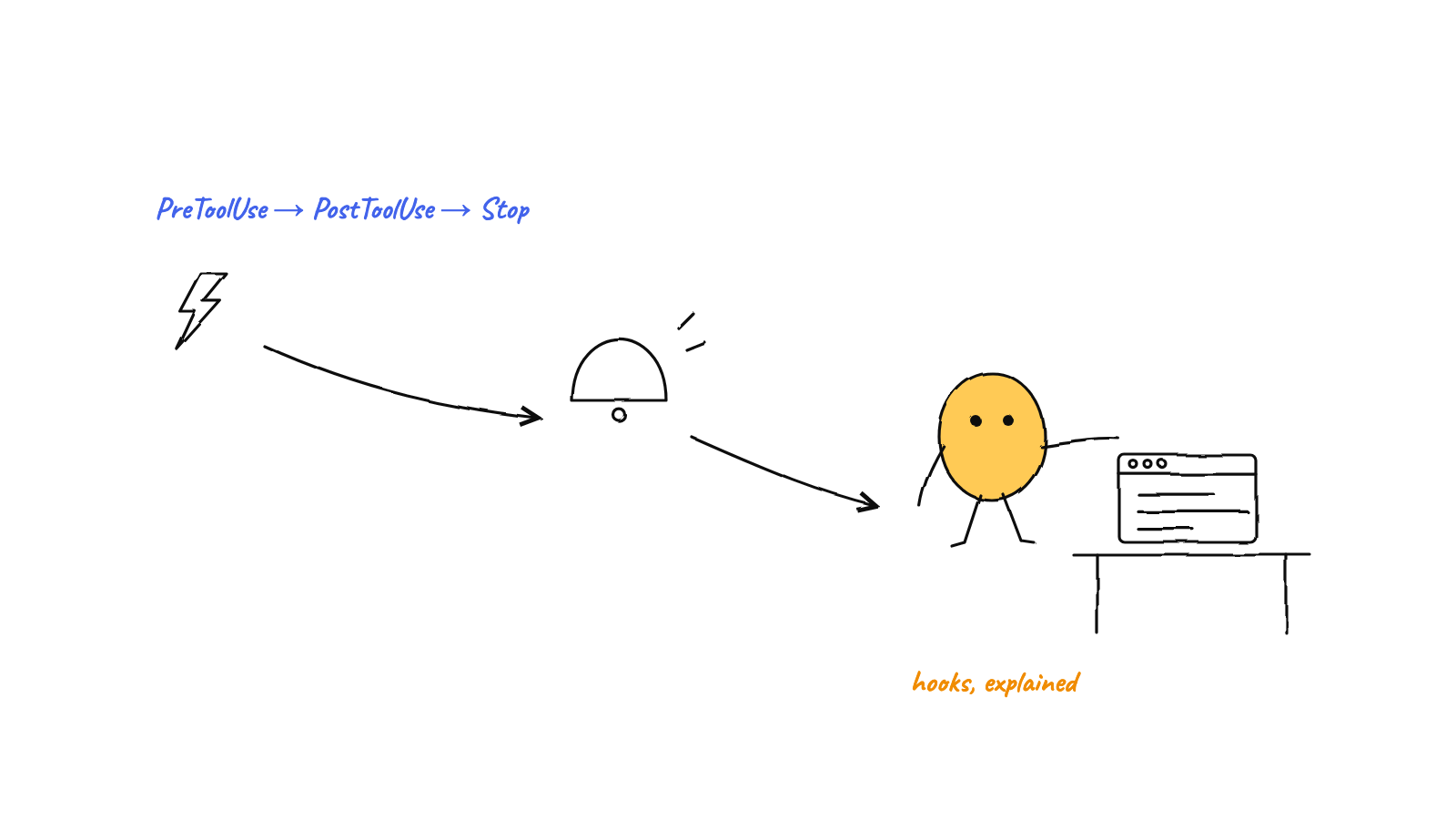
A how-to for standing up a fully automated PR-reviewing agent in Munder Difflin — one that reads your real source (not just the PR description), de-dupes noise, and only escalates what matters. With a real triage run that turned 22 duplicate firings into a clean v0.2.5 patch queue.

Orchestration Read →
7 min

Launching Munder Difflin v0.2.4

Munder Difflin v0.2.4 is here: Claude Code, OpenAI Codex, and Antigravity (Gemini) agents now run as one hive with full parity — no API keys, no setup. Brief a GOD orchestrator, automate basically anything in one prompt, and close the lid while it keeps working.

Story Read →
7 min

Munder Difflin v0.2.4 Feature Walkthrough

A comprehensive guide to every change in Munder Difflin v0.2.4 — how the Codex lifecycle-hook bridge achieves full hive parity, what the Schedules tab adds, why tunnelmole replaced localtunnel, and what else shipped.

Guides Read →
7 min

Launching Munder Difflin v0.2.0

Munder Difflin v0.2.0 is here: a Command Center overhaul, per-agent token budgets, live OpenTelemetry observability, a circuit breaker, durable SQLite persistence, and a big round of community fixes.

Story Read →
9 min

How to Install and Use Munder Difflin

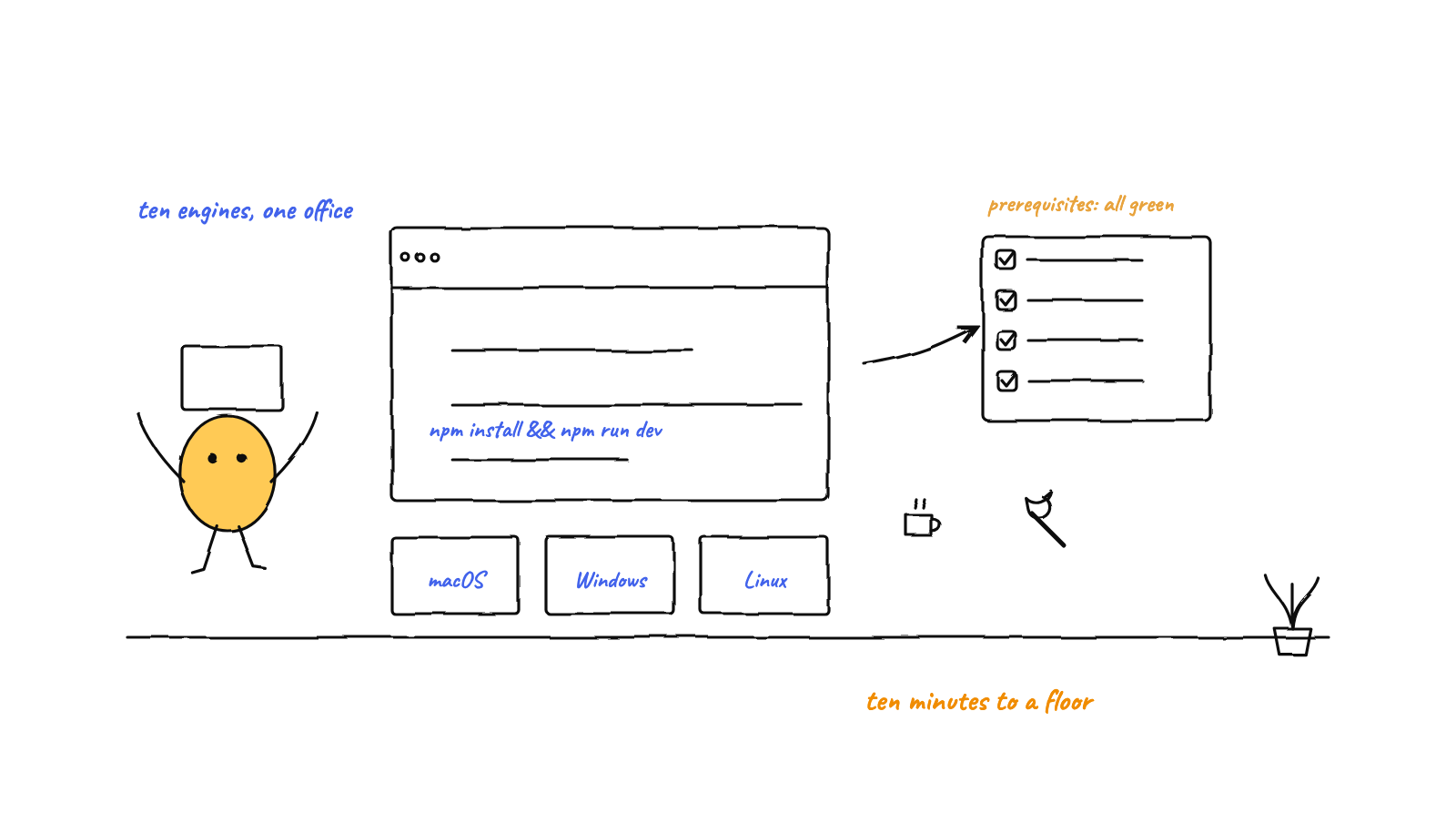
Install Munder Difflin v0.4.4 on macOS, Windows, or Linux and put a hive of coding agents — on any of ten engines — to work on ambitious, long-horizon tasks, start to finish.

Guides Read →
5 min

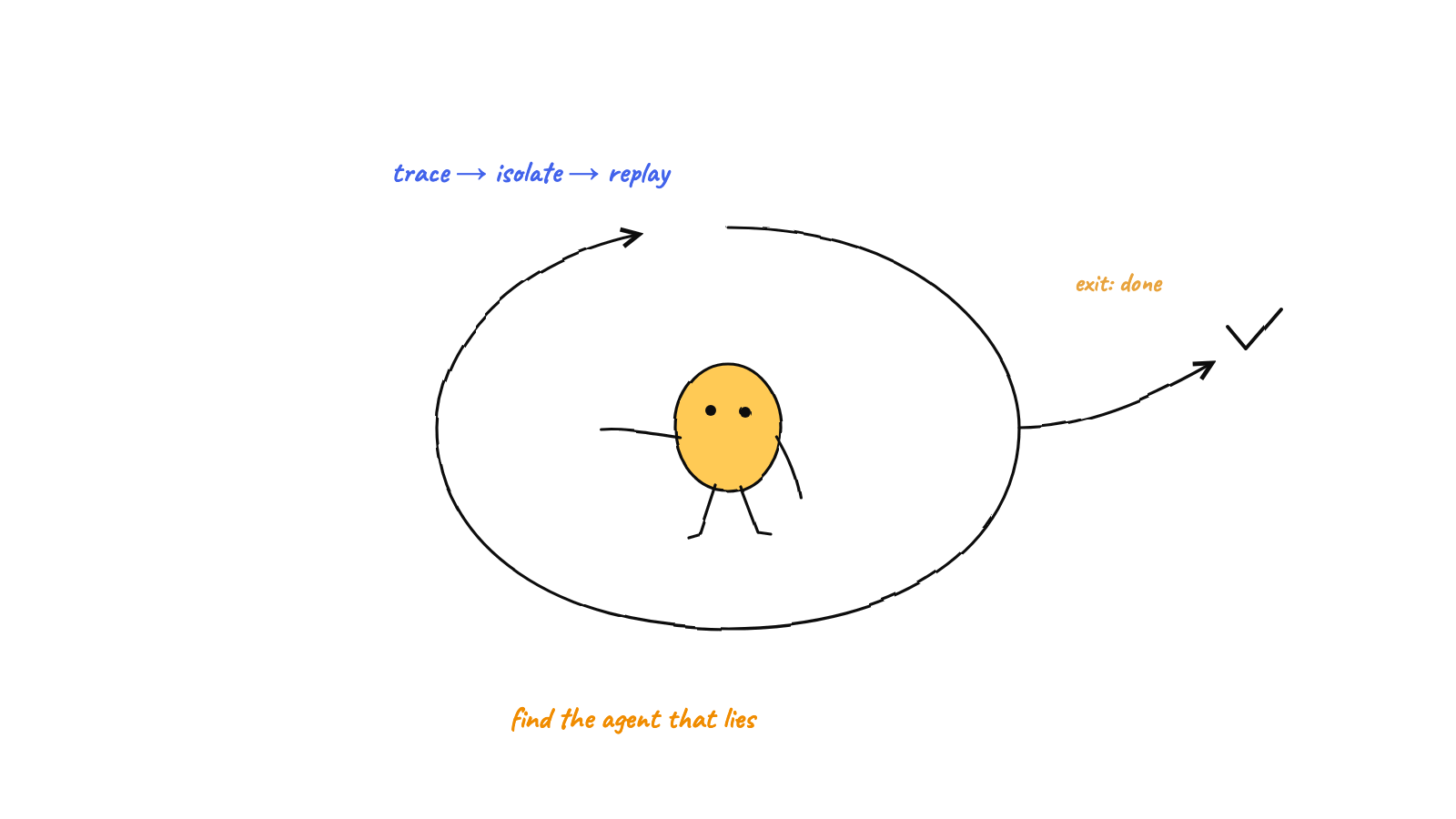
How to Debug a Multi-Agent System

How to debug a multi-agent system: use the event log, per-agent terminals, message trails, and git history to find why a hive of AI agents went sideways.

Guides Read →
5 min

Trigger Your AI Agent Hive from Slack

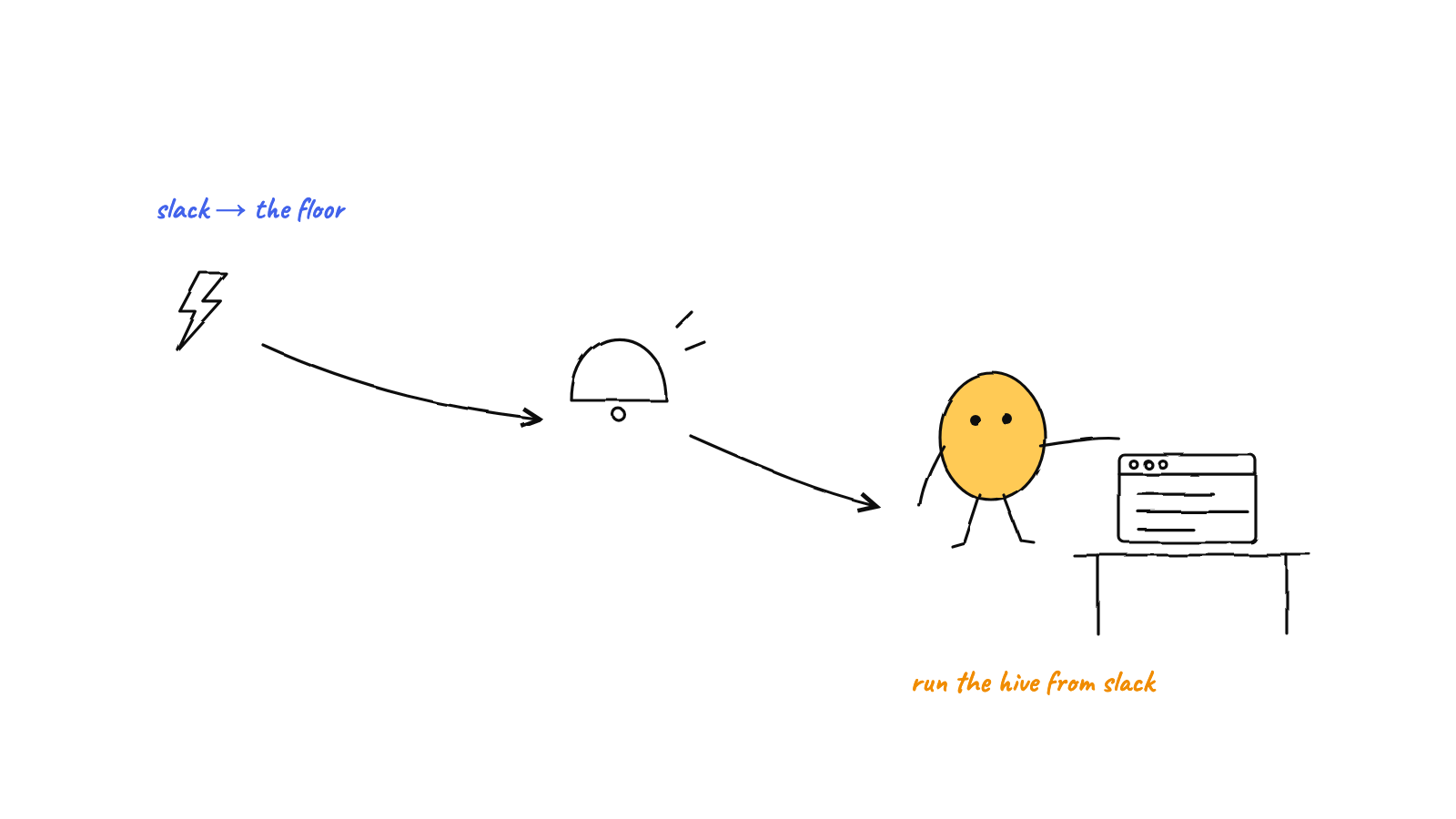
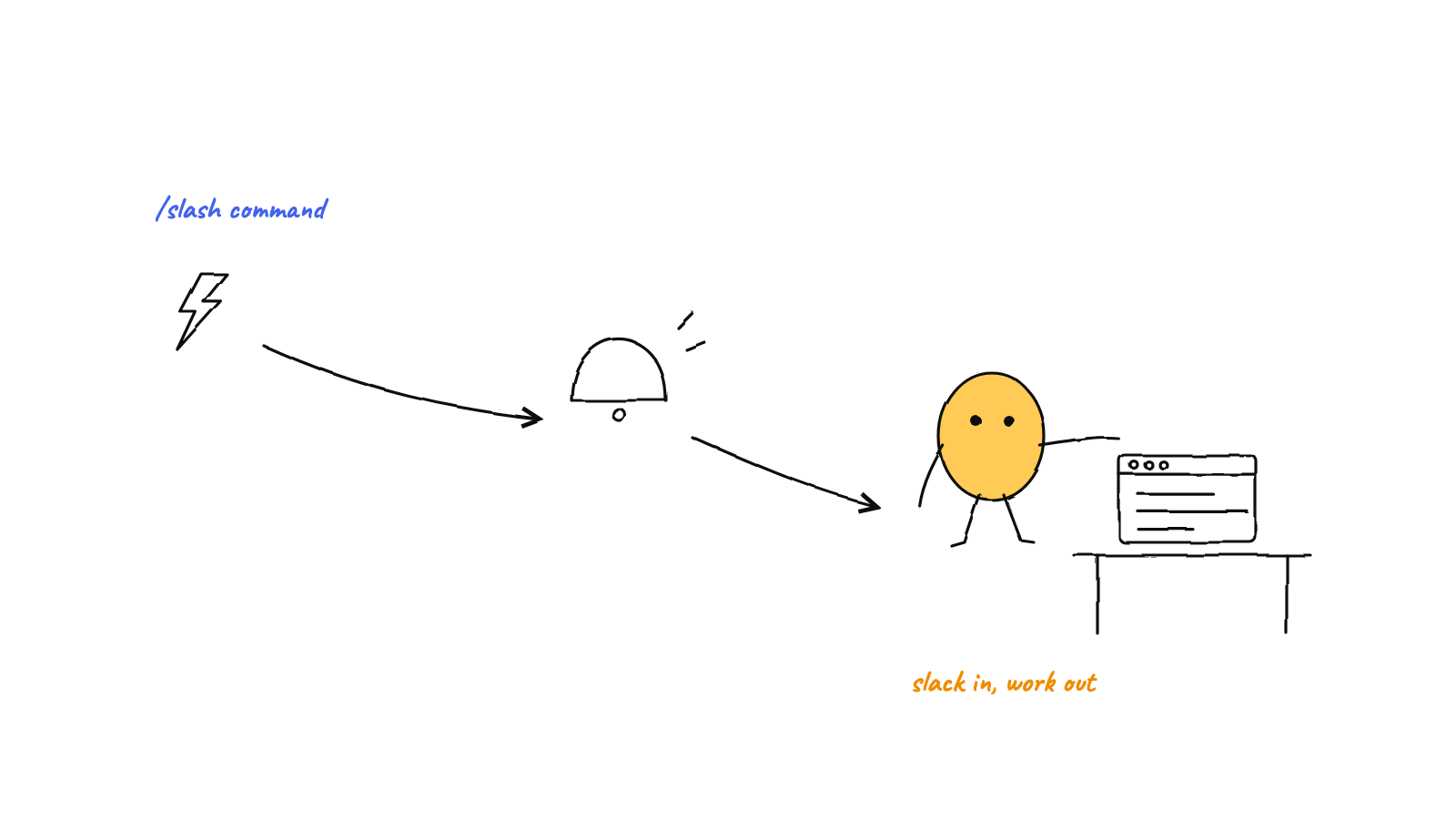
Trigger an AI agent hive from Slack: a local webhook verifies each message and drops it into your orchestrator's queue as a task — no server to host.

Guides Read →
3 min

Why We Built Munder Difflin

The origin story of Munder Difflin — how the pain of juggling Claude Code terminals led to a coordinated, memory-backed hive of agents you can watch.

Story Read →